Group Joining vs Private Safari in Kenya
A joining safari shares a fixed departure with other travellers. A private safari keeps the vehicle and daily choices with your own party.
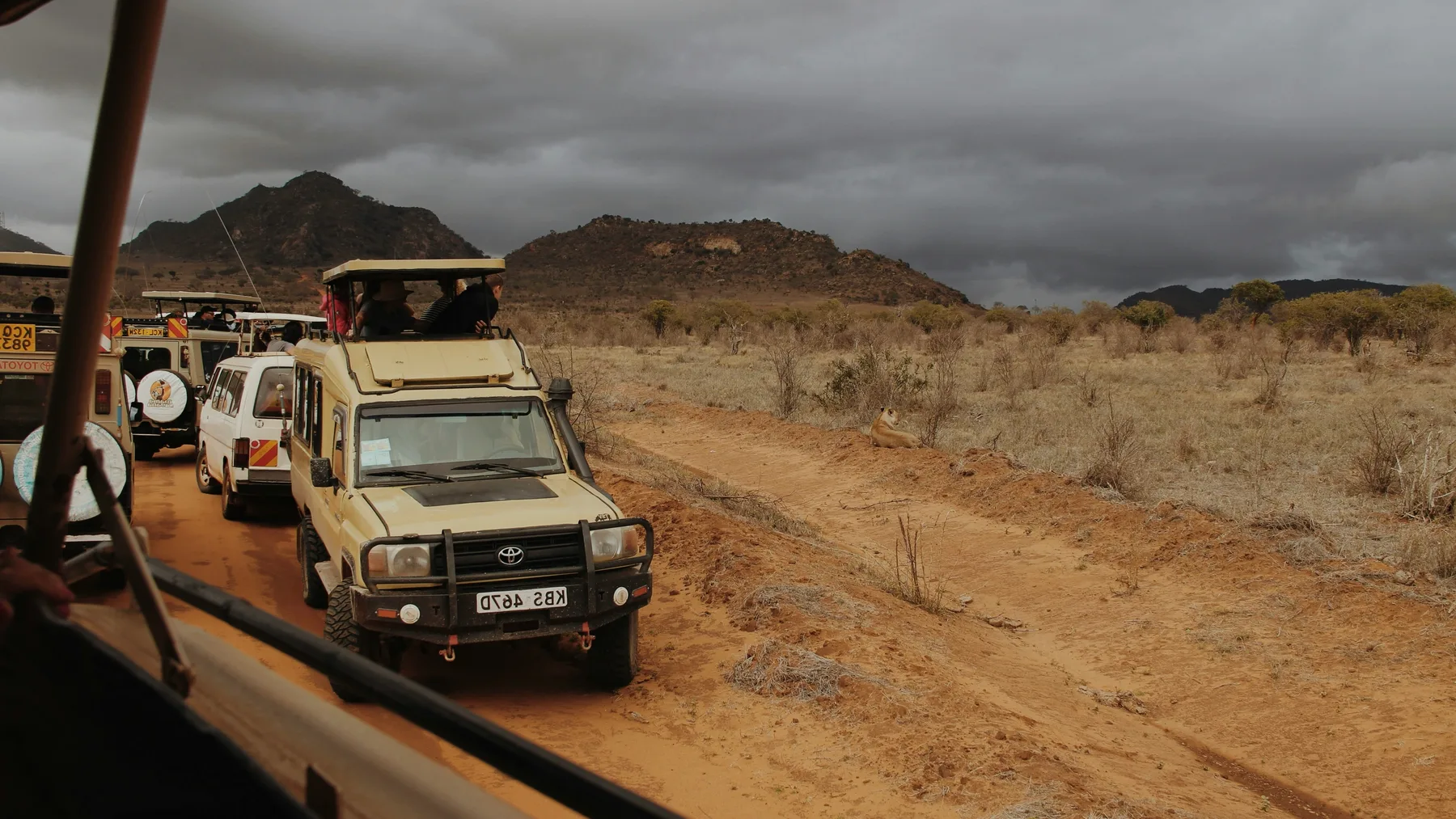
Choose a group joining safari when fixed dates, shared vehicle space and a more social trip fit you. Choose a private safari when your own party needs control over pace, rooms, children, photography, luggage or route.
Both models can be well run and enjoyable. The important thing is to know which one a quotation describes. A “group safari” may mean strangers buying seats on a scheduled route, or ten friends hiring a private vehicle together.
The cost difference is rarely just a discount percentage. It follows vehicle sharing, room occupancy, guide time, departure certainty, lodge choice and the freedom to change a day.
What this guide covers
- What “joining” and “private” mean in Kenya
- The differences that affect a real day
- Dates, routes and departure certainty
- Solo travellers, couples, families and friends
- Why the cheapest seat is not always the lowest trip cost
- Rooms, luggage, seats and guide time
- Common booking misunderstandings
- How to choose without second-guessing yourself
- Traveller perspectives
- Group planning questions
- Frequently asked questions
What “joining” and “private” mean in Kenya
A joining departure combines travellers who booked separately. The route, date, pickup and accommodation are normally fixed, while a private safari belongs to one existing party.
A private group can still contain twenty people and several vehicles. A joining trip can be only four strangers. Size alone does not define the model.
The differences that affect a real day
Shared travel usually lowers each person’s share of the vehicle and guide. Private travel buys control. Compare the maximum vehicle load, window arrangement, luggage space, room basis and whether camp drives are shared.
A private road circuit may become shared for a balloon flight, scheduled aircraft or a camp-operated drive. Ask about each segment.
| Question | Joining safari | Private safari |
|---|---|---|
| Who controls the date? | Published departure | Your party, subject to availability |
| Who shares the vehicle? | Separately booked travellers | Only your existing party |
| Can the route change? | Usually no | Often yes before confirmation |
| Room choice | Limited by package and availability | Built around your rooming list |
| Best for | Flexible solo travellers and couples | Families, friends, specialists and organisations |
Dates, routes and departure certainty
A fixed departure should state whether it is proposed, confirmed, guaranteed or dependent on a minimum. Do not buy a restrictive international flight for a departure that has not met its operating condition.
Private groups can choose dates around their flights, subject to rooms and vehicles. That flexibility matters during school holidays and migration months.
| Booking status | What it means | Safe next step |
|---|---|---|
| Proposed | Seats are being sought | Wait before buying restrictive flights |
| Confirmed | Operating threshold has been reached | Check the written date and inclusions |
| Guaranteed | Operator states it will run under its terms | Read the guarantee and cancellation clauses |
| Sold out | Vehicle or room capacity is full | Choose another date or a private plan |
Solo travellers, couples, families and friends
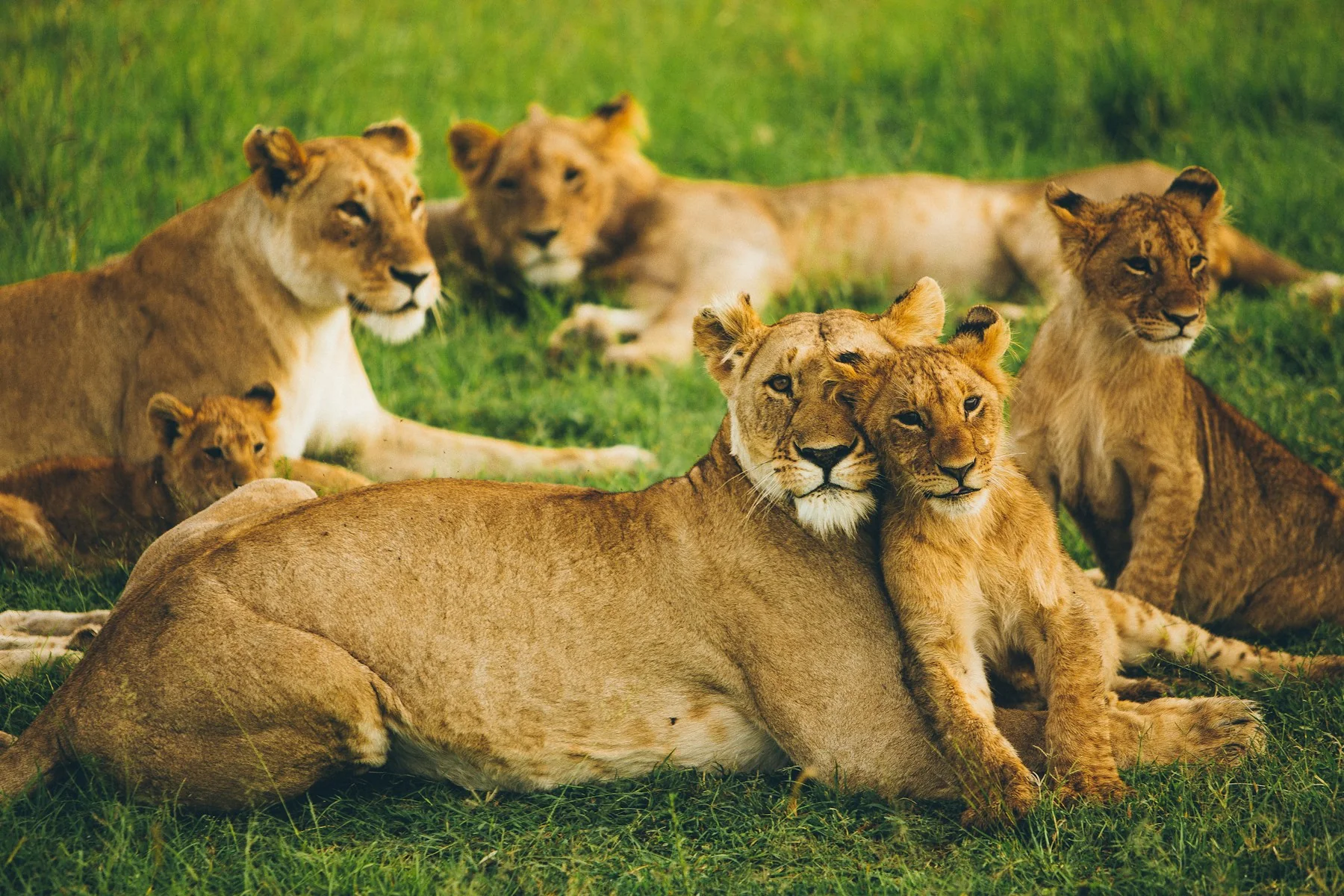
Solo travellers often value company and a lower vehicle share but still pay for a single room. Couples may enjoy a social trip or prefer privacy. Families gain the most from private timing, while friends can divide one private vehicle attractively.
Be honest about bathroom stops, children, mobility, photography and how much compromise feels enjoyable.
Why the cheapest seat is not always the lowest trip cost
Park fees and rooms remain per person even when the vehicle is shared. A joining price can also use a simpler camp, more passengers or a fixed menu of activities.
Compare the same travel dates, parks, room basis and inclusions. A private quote for two and a joining quote for six are not the same service.
| Cost line | Joining effect | Private effect |
|---|---|---|
| Vehicle and guide | Shared across more bookings | Shared only within your party |
| Bedroom | Single supplement may remain | Room list is customised |
| Changes | Little flexibility | Possible subject to supplier terms |
| Optional activities | Usually pre-set or shared | Can be selected by individuals or party |
Rooms, luggage, seats and guide time
A shared vehicle needs declared luggage limits and fair seating. Roommate matching, single supplements and late arrival rules should be explicit.
Private parties can reserve seats and arrange rooms more easily, but the group organiser must still provide accurate names, ages and needs.
- Maximum passengers and exact vehicle body
- Whether every road and game-drive segment is shared
- Single-room price and roommate policy
- Luggage allowance and pickup point
- Minimum number and cancellation terms
Common booking misunderstandings
“Guaranteed window” does not describe roof space. “Private tour” does not guarantee a private camp drive. “Small group” does not reveal the maximum.
Replace labels with specific numbers and responsibilities before paying.
How to choose without second-guessing yourself
Choose joining when the dates work, the operator confirms departure, the load feels comfortable and social travel is part of the appeal.
Choose private when the group values control enough to pay for it. Ask NLS to quote both using the same route when the decision remains close.
- Choose dates and route
- Ask for both models on the same brief
- Compare inclusions and room basis
- Read departure and cancellation terms
- Confirm the chosen seat or private vehicle in writing
What travellers say about the choices that shape this trip
These short comments come from public travel discussions. They are personal experiences, not promises that every group will feel the same way.
“Group tours are compromises.”
One contributor valued private control over pace. A well-matched shared group may feel differently, which is why vehicle rules and expectations need to be clear.
“The pacing was great”
A traveller who joined an organised African overland trip enjoyed the social mix and included meals. Group chemistry and route style still vary.
“I did a group tour! We camped so it was cheaper.”
Camping worked for this traveller and lowered the accommodation cost. It is one budget model, not a universal definition of a group safari.
Questions that make the group plan stronger
A group safari becomes much easier when the organiser collects real preferences instead of trying to guess what everyone will tolerate. Work through these points together, then give NLS one agreed brief.
Who has authority to approve the final plan?
Name one organiser and one backup. NLS still receives individual room and dietary details, but route and cost changes for a Kenya group joining or private safari need a clear approval path.
Which dates are genuinely fixed?
Separate immovable flights, school terms or events from dates that can move. A small shift can change room availability, park costs and the number of vehicles required.
What is the comfortable per-person range?
Collect a realistic range, not a public vote on the cheapest possible trip. State whether it includes international flights, a Nairobi night, tips and personal drinks.
How should rooms be shared?
List doubles, twins, singles, family arrangements and accessible rooms by name. Never assume friends will share a bed or that a lodge has unlimited triples.
How much road time will the group enjoy?
Some travellers like watching Kenya unfold from the vehicle. Others need shorter days. Agree on the appetite for long transfers before selecting distant parks.
What must the safari include?
Choose the two or three priorities that would make the trip feel worthwhile, such as cats, elephants, photography, walking, a beach stay or time together.
What support needs should be private?
Invite confidential details about mobility, health, diet, medication storage and anxiety. Share only what the relevant planner, guide or property needs to act on.
How will changes reach everybody?
Keep one current itinerary and one rooming list. A pinned group message or shared file is safer than several screenshots carrying different prices and pickup times.
The aim is not to make forty people agree on every breakfast time. It is to identify the few choices that affect price, comfort and wildlife time, name the person who can approve changes, and let smaller personal preferences remain personal. That balance is what keeps a group holiday sociable.
Useful next guides for this group
Group Safaris in Kenya
Start with the main guide to private groups, shared departures, routes, rooms and vehicles.
Group Joining Safaris in Kenya
See how fixed dates, shared vehicles and rooming work when travellers meet on departure.
Private Group Safaris in Kenya
Plan around one family, club, team or group of friends with control over the daily rhythm.
Safari Cost by Group Size
See why the per-person amount changes as people, rooms and vehicles are added.
Safari Vehicles and Seating
Match passenger numbers, luggage and photography needs to a comfortable vehicle plan.
Rooming and Single Supplements
Organise twins, doubles, family rooms, triples and single-room requests before deposits.
Group Joining vs Private Safari in Kenya FAQs
Can a Kenya group joining or private safari be private?
Yes. A private safari keeps the vehicle and guide for your existing party. Confirm whether any camp activities, flights or transfers remain shared with other guests.
Can solo travellers join?
They may join a scheduled departure when a seat and room are available. The vehicle saving does not automatically remove the cost of a private bedroom, so ask about the single supplement.
How many people share one safari vehicle?
It depends on the vehicle body, luggage and comfort expected. Four is roomy for photography, while five or six may work for family and friends. Ask for the actual seating plan.
Are park fees included?
They should be clearly listed as included or excluded. The quote must use the travel dates and each traveller’s correct citizen, resident or non-resident category.
Do children pay the same price as adults?
Not always. Park and accommodation age bands can differ, while vehicle costs are shared by the party. Give every child’s age at the time of travel.
Can the itinerary be changed after a deposit?
Sometimes, subject to availability and supplier terms. A change may create cancellation charges or a new price, so settle the major route and room choices before payment.
What meals are normally included?
Most safari lodges use full board, but Nairobi nights, travel-day lunches, drinks and special dinners vary. The proposal should state the meal basis for every night.
What happens if a flight arrives late?
NLS can adjust an airport transfer and hotel meeting when informed, but a missed park departure or domestic flight may carry costs. A Nairobi staging night protects complicated arrival plans.
Is Wi-Fi available on safari?
Many lodges provide it in selected areas, but speed and coverage vary. Mobile signal is not dependable everywhere. Share emergency contacts and download essential documents before leaving Nairobi.
How much luggage can we take?
Road vehicles are more flexible than small aircraft, but space still disappears quickly in a full group. Soft bags help. The booked airline decides any fly-in weight and size limit.
How early should a group book?
Book earlier for migration months, school holidays, festive dates, specialist rooms and large room blocks. Flexible small groups may find options later, but the first-choice property is never guaranteed.
Who operates the safari?
Group Safari Kenya is owned and operated by NLS Safaris. Enquiries, Gravity Forms, email and WhatsApp all reach the NLS planning team.
Official information for the final booking check
How to keep the route enjoyable for everyone
For group organisers and travellers comparing Kenya safari options, the final test is how the whole day fits together. The order of flights, hotels, park days and transfers should make sense from the first arrival to the final drop-off. A sensible proposal leaves room for breakfast, comfort stops, park gates, check-in, meals and an unhurried wildlife drive. When those small pieces are ignored, the group pays for a beautiful route but experiences it mainly through a windscreen on transfer days.
What the organiser should put in writing
Ask NLS to show each night, each charged park day and each vehicle in sequence. That simple timeline makes group joining vs private safari Kenya easier to understand because the group can see where it sleeps, when luggage moves and which activities are genuinely possible. It also exposes a rushed connection before flights and deposits make the route difficult to change.
Post photography: Giusi Borrasi and Leonard von Bibra on Unsplash.
Tell NLS about a Kenya group joining or private safari
Include dates, adults and child ages, preferred route, rooming, budget range, arrival city and any mobility or dietary needs.