10-Day Kenya Group Safari
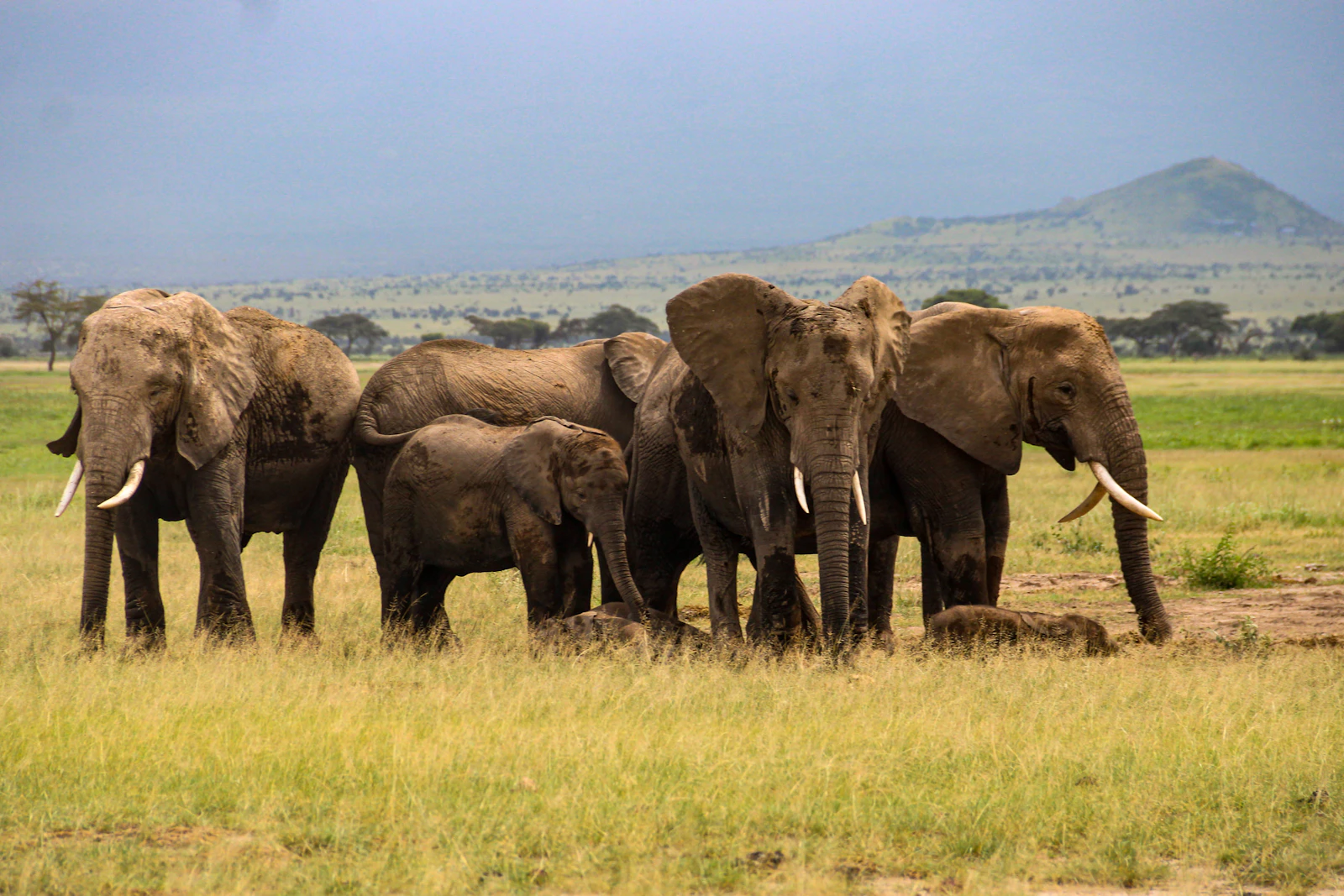
Spend three nights in the Masai Mara, break the Rift Valley journey at Lake Nakuru and Naivasha, then finish with three nights among Amboseli’s elephants and open views toward Kilimanjaro.

A well-paced 10-day Kenya group safari can combine the Masai Mara, Lake Nakuru, Lake Naivasha and Amboseli without turning every morning into a checkout. The strongest version uses nine nights: three in the Mara, one at Nakuru, two at Naivasha and three in Amboseli.
This is a private group itinerary for relatives, friends, clubs or colleagues travelling together. It can be adjusted around flight times, children, resident or citizen rates, rooming, photography, a beach extension or a group that would rather swap the Rift Valley lakes for Ol Pejeta or Samburu.
What this guide covers
A classic 10-day Kenya itinerary that is not rushed
| Days | Base | Nights | Why it earns its place |
|---|---|---|---|
| 1 to 3 | Masai Mara | 3 | One arrival drive and two complete wildlife days give the group time for cats, plains game, river country and patient sightings. |
| 4 | Lake Nakuru | 1 | A compact national park with rhino, Rothschild’s giraffe, woodland, escarpment and lake habitat breaks the long eastbound journey. |
| 5 to 6 | Lake Naivasha | 2 | A boat trip, Crescent Island walk or Hell’s Gate visit gets the group out of the safari vehicle and creates a slower middle day. |
| 7 to 9 | Amboseli | 3 | Several dawn and late-afternoon chances matter because Kilimanjaro may be clear for an hour and hidden later. The swamps and elephant country reward unhurried observation. |
| 10 | Return to Nairobi | 0 | A conservative road plan protects the group from treating an international flight as if it were a guaranteed connection. |
The route begins and ends in Nairobi. If several travellers arrive on different international flights, add a Nairobi hotel the night before Day 1. That staging night is more comfortable than keeping an entire vehicle waiting while the first Mara afternoon disappears.
How the 10 days feel on the ground
Nairobi to the Masai Mara
Leave Nairobi early after breakfast and travel through the Great Rift Valley toward the Mara. The final approach varies with the chosen gate and camp, so this is a proper transfer day rather than a disguised full game drive. With a smooth departure, the group can settle in and take a late-afternoon drive before dinner. Three Mara nights begin here.
A complete Masai Mara wildlife day
Start early while the air is cool and predators may still be active. The group can return for breakfast and rest, or carry a picnic when the chosen area is far from camp. A private vehicle is valuable today because photographers may want to wait while families may prefer a midday break. Migration crossings are never scheduled, even between July and October.
Choose depth instead of repeating Day 2
Use the second full Mara day for another part of the reserve or conservancy. Birders may work riverine woodland, photographers may stay with one pride, and first-time visitors may explore a wider area. A balloon flight can be added at dawn, subject to weather and confirmation. Travellers who skip it still need a normal morning-drive plan.
Masai Mara to Lake Nakuru
After breakfast, leave the Mara and cross the Rift Valley to Lake Nakuru. This drive can occupy much of the day, especially after rain or traffic. An afternoon park entry works only when arrival time permits. Otherwise, protect the following morning rather than rushing the guide and reaching the lodge after dark.
Lake Nakuru wildlife, then on to Naivasha
Enter early for rhino habitat, buffalo, Rothschild’s giraffe, baboon, woodland birds and lake views. Flamingo numbers change with water level and food conditions, so a pink shoreline should never be promised. Continue to Lake Naivasha after the main drive. The short move makes this a useful transition rather than another punishing road day.
A day outside the vehicle at Lake Naivasha
A morning boat trip can reveal hippos and waterbirds from a safe distance, followed by a guided Crescent Island walk where current conditions allow. Active groups may prefer Hell’s Gate for cycling or walking on permitted routes. Others can keep the afternoon free at the hotel. The choice should follow age, mobility and energy, not a need to fill every hour.
Lake Naivasha to Amboseli
Travel south via the Nairobi area toward Amboseli. This is another long transfer, so the group should leave after an early breakfast and plan sensible comfort stops. The final timing depends on traffic and the location of the lodge. If there is time, take a gentle evening drive; if not, settle in and begin properly at dawn.
Amboseli elephants, swamps and open plains
Begin before breakfast for cooler air and the best chance of a clear mountain. Amboseli’s permanent swamps draw elephants, buffalo and waterbirds even when the surrounding plains are dry. Return for lunch and rest before another drive. The mountain belongs to the weather, so the day’s success should not be judged by one photograph.
A second complete Amboseli day
Use the last full day to revisit productive areas without chasing a checklist. A family can choose a shorter morning and longer afternoon. Photographers can work low light and elephant movement. Groups staying in a neighbouring conservancy may add a guided activity there, provided its fee, age rule, transfer and timing are clear.
Amboseli to Nairobi
Take an early drive only if the road and onward plans allow it, then return to Nairobi. A late-evening international departure may be possible, but a separate Nairobi night is safer for groups with children, several vehicles or important connections. NLS should match the final road plan to the actual flight, not merely the date.
Why the route stays longer in the Mara and Amboseli
Three nights in the Masai Mara
Three nights create two full days between arrival and departure. That matters when a camp is far from the area the group wants to explore, when a sighting rewards patience, or when rain changes a track. The main Kenya group safari guide explains how the route should follow the group rather than a destination checklist.
A reserve lodge such as Mara Sopa can fit a classic road circuit. A conservancy camp such as Olare Mara Kempinski changes the activity mix through night drives and guided walks under local rules, but reserve days, transfer time and fees must then be planned separately.
One night at Lake Nakuru
Lake Nakuru is compact enough for an afternoon and morning combination, although the exact schedule depends on the lodge and arrival. It adds a strong chance of rhino habitat and a very different landscape from the Mara. One night usually serves the circuit better than taking a second night away from a larger ecosystem.
The lake section should be judged together with the group’s full route, rooming and appetite for road time.
Two nights at Lake Naivasha
Naivasha is not another conventional game-drive stop. Its value lies in the lake, birdlife, Crescent Island, Hell’s Gate and the chance to walk, cycle, use a spa or simply stop moving. Two nights create one complete day. One night is enough when the group wants only a boat trip on the way through.
Three nights in Amboseli
Amboseli deserves more than a hurried afternoon because mountain visibility changes quickly and elephant movement does not follow a timetable. Three nights create two dawns, two complete days and room for a slow middle period. Read the best time for a Kenya group safari guide for seasonal trade-offs in Amboseli and the Mara.
Accommodation ideas for mid-range and luxury groups
The hotels below are examples, not automatic promises. A group may need twins, doubles, singles, family rooms, ground-floor access and guide accommodation at the same property. NLS should confirm the exact room block for the travel dates before a deposit.
| Stop | Mid-range examples | Higher-comfort examples | Group question that matters |
|---|---|---|---|
| Masai Mara | Mara Sopa Lodge; PrideInn Mara Camp | Olare Mara Kempinski; Mara Serena Safari Lodge | Reserve or conservancy location, family layout, drive model and distance to priority areas |
| Lake Nakuru | Lake Nakuru Sopa Lodge; Lake Nakuru Lodge | The Cliff | Inside or outside the park, room access and whether the timing supports a morning drive |
| Lake Naivasha | Lake Naivasha Sopa Resort; Lake Naivasha Country Club | Enashipai Resort & Spa; Chui Lodge | Family and cottage layout, distance to boat departure and whether the group wants a resort day |
| Amboseli | Amboseli Sopa Lodge; Ol Tukai Lodge | Tortilis Camp; Tawi Lodge | Park or conservancy setting, family tents, drive arrangements and transfer time |
Enashipai’s current room information, for example, includes garden cottages configured around shared living areas, which can suit families and small groups. Tortilis Camp lists a family tent with one double and one twin en-suite bedroom. Those details are useful only when the exact category is available and confirmed.
What a 10-day Kenya group safari may cost
NLS currently displays a five-day mid-range Mara, Nakuru and Amboseli private safari from USD 1,868 per person sharing. Its seven-day mid-range Big Five circuit starts from USD 2,400 per person sharing and adds Lake Naivasha activities. Both include a private 4×4 Land Cruiser, guide, park fees, accommodation, stated meals, game drives, drinking water, Nairobi pickup and drop-off, taxes and VAT.
A 10-day price cannot be created honestly by multiplying either figure. Four extra room nights, the season, the number of adults and children, single rooms, Mara dates, vehicle count, Naivasha activities and the properties selected all change the total. The useful quotation is the one built for the group, with every fee and occupancy shown.
| Current published anchor | Adult category | Amount | Why it matters |
|---|---|---|---|
| NLS five-day mid-range circuit | Per person sharing | From USD 1,868 | A real shorter-route benchmark, not a 10-day quote |
| NLS seven-day mid-range circuit | Per person sharing | From USD 2,400 | Includes Mara, Nakuru, Naivasha and Amboseli in a faster version |
| Masai Mara, January to June 2026 | Non-resident adult | USD 100 per day | Mara dates materially affect a multi-day route |
| Masai Mara, July to December 2026 | Non-resident adult | USD 200 per day | Peak-season reserve fees must be counted for each chargeable day |
| Amboseli or Lake Nakuru, current KWS schedule | Non-resident adult | USD 90 per day | KWS fees follow visitor category and chargeable entry |
| Amboseli or Lake Nakuru, current KWS schedule | East African citizen adult | KES 1,500 per day | Mixed-category groups should not be priced using one average fee |
| Amboseli or Lake Nakuru, current KWS schedule | Kenya resident adult | KES 2,025 per day | Valid proof is required for the applicable category |
Optional costs should sit outside the common amount unless everyone wants them. NLS currently lists an approximate USD 460 for a Mara balloon safari and about USD 35 for an optional Maasai village visit on its five-day package. Weather, provider terms and availability still apply.
How many safari vehicles does the group need?
A 10-day road safari involves far more than game drives. Bags, drinking water, jackets and camera equipment travel with the group between parks. Six passengers in a well-configured vehicle may have a comfortable window position; adding another person can change the rear row and roof space considerably. The answer depends on the actual body and seating layout, not the words “Land Cruiser.”
A private family of four may keep one row free. A photography group may choose four people per vehicle. A party of twelve will usually enjoy the safari more in two coordinated vehicles than in one transfer coach. The vehicles can separate at sightings and reunite for meals, but a lead guide and clear communication plan are essential.
The supporting Kenya group safari vehicle and seating guide explains pop-up roofs, safari vans, open camp vehicles, luggage and seat allocation. The operator comparison guide shows how to compare the same vehicle allocation and inclusions across quotations.
When to take a 10-day group safari
January to March
Often warm with clearer periods and good resident wildlife viewing. The Mara is outside the main crossing season, which can mean a quieter atmosphere. Amboseli can be dry or green depending on recent rain. Easter and school dates still affect room blocks.
April to May
Long-rain periods can bring dramatic skies, green scenery and lower demand, but road conditions and showers may change a day’s plan. A capable 4×4 and realistic transfer schedule matter more than a promise of sunshine.
June to October
Dryer months are popular, and migration interest increases demand in the Mara. July to December also carries the higher current non-resident adult Mara fee. Groups needing many matching rooms should begin earlier.
November to December
Short rains can refresh the landscape, with showers often broken by usable safari periods. Festive dates carry their own availability and rate pressure. A green Amboseli foreground can be beautiful when the mountain appears.
For a broader comparison, use the future best time for a Kenya group safari article. Weather and wildlife remain natural variables, so the itinerary should protect several good viewing windows.
Three alternative routes worth considering
| Route | Best for | What changes |
|---|---|---|
| Samburu, Ol Pejeta, Lake Nakuru and Masai Mara | Northern species, rhino conservation and travellers who have already seen Amboseli | More northern road time; reticulated giraffe, Grevy’s zebra and dry-country scenery become central |
| Masai Mara, Amboseli, Tsavo and the coast | Groups ending in Mombasa, Diani or Watamu | The route finishes east rather than returning directly to Nairobi; SGR or domestic flights can complete the connection |
| Fly-in Masai Mara and Amboseli with Nairobi | Small groups protecting time and accepting light-aircraft baggage rules | Less road travel, different camp vehicles, stricter luggage and a higher transport budget |
The main Group Safaris Kenya planning hub will help travellers choose between private existing-group trips and scheduled shared departures. A 10-day custom route is usually strongest as a private booking because the group controls the pace, rooms and vehicle.
What people notice after a multi-stop Kenya safari
These comments are personal experiences, not promises. They are useful because they reveal where a route can feel rushed.
“Add +2 days to howsoever many days your trip is.”
A recent Kenya traveller felt that transfers consumed more time than expected and wished for additional days at the destinations.
Reddit trip report, August 2026“In the Mara, wildlife is so abundant, we did 3 and wished we have more time.”
Another traveller discussing a ten-night route valued the Mara time and found one Nakuru night sufficient for their road circuit.
Reddit route discussion, July 2026“This is a lot of travel OP, especially if you actively want to keep travel time down!”
The comment is a useful warning against adding Samburu, Ol Pejeta, the lakes, the Mara and Amboseli simply because ten days sounds long.
Independent traveller reply, July 2026What the proposal should include and what normally remains separate
Common inclusions
- Private safari vehicle and professional driver-guide
- Nairobi pickup and final drop-off
- Nine nights in the named room categories
- Meals stated for every day
- Game drives in the itinerary
- Applicable park fees when expressly included
- Bottled drinking water in the safari vehicle
- Government taxes and VAT
Common exclusions or optional items
- International flights
- Kenya eTA and travel insurance
- Tips and personal expenses
- Alcoholic and soft drinks unless stated
- Balloon safari and village visit
- Some Naivasha activities
- Single-room supplements
- Extra nights before or after the safari
Every proposal can differ. The important point is that “included” appears beside a named service. If the group has citizens, residents and non-residents travelling together, the fee basis should be visible for each person.
10-day Kenya group safari FAQs
Is ten days enough for a Kenya group safari?
Yes. Ten days is enough for three or four well-connected bases. It is not enough for every famous park without losing much of the holiday to transfers.
How many nights should we spend in the Masai Mara?
Three nights is a strong minimum in this circuit because it creates two full wildlife days. Photographers or migration-focused groups may prefer four.
Do we need both Lake Nakuru and Lake Naivasha?
No. Choose Nakuru for a compact national-park drive and rhino habitat. Choose Naivasha for boating, walking, Hell’s Gate and a slower resort day. This route uses both because ten days allows them to serve different purposes.
Can we replace Naivasha with another Mara night?
Yes. That works particularly well for wildlife-focused groups that do not need a walking, cycling or boat day.
Is the safari private?
This sample is designed for an existing group using a private vehicle or coordinated private vehicles. Shared fixed departures follow different dates, rooming and passenger rules.
How many people fit in one safari vehicle?
The contracted configuration matters more than the maximum seat count. Ask how many guests occupy each row, where luggage goes and whether every traveller has practical window and roof access.
Can children join the route?
Yes, with a pace, room arrangement and activity choice suited to their ages. Long transfer days, child seats and family-room availability must be addressed before booking.
Can citizens, residents and non-residents travel together?
Yes. Each traveller should be priced using the park-fee category they can prove with valid documents. Accommodation and vehicle costs can still be shared.
Can NLS change the lodges?
The itinerary can use different properties at the planning stage. After booking, any substitution must follow the written terms and preserve the agreed location and standard as closely as availability allows.
Should we fly between parks?
Flying can protect time for a small group, but light-aircraft baggage limits, airstrip transfers and camp vehicle arrangements must be included in the comparison.
Can we add Diani Beach?
Yes. Amboseli can connect toward Tsavo and the coast by road and rail, or the group can return to Nairobi for a flight. Add enough beach nights to justify the transfer.
How do we request an accurate price?
Send the travel dates, minimum and expected group size, child ages, citizen or resident categories, room list, preferred comfort level, flights and any mobility, dietary or photography needs.
Fees, properties and current trip examples
Tell us about your 10-day group safari
Include dates, adults and child ages, room preferences, visitor categories, flights, comfort level and the parks or activities the group cares about most.