Kenya Group Safari Safety Guide
Plan for wildlife, roads, Nairobi transfers, health, rooms and group conduct without pretending any journey can be guaranteed risk-free.
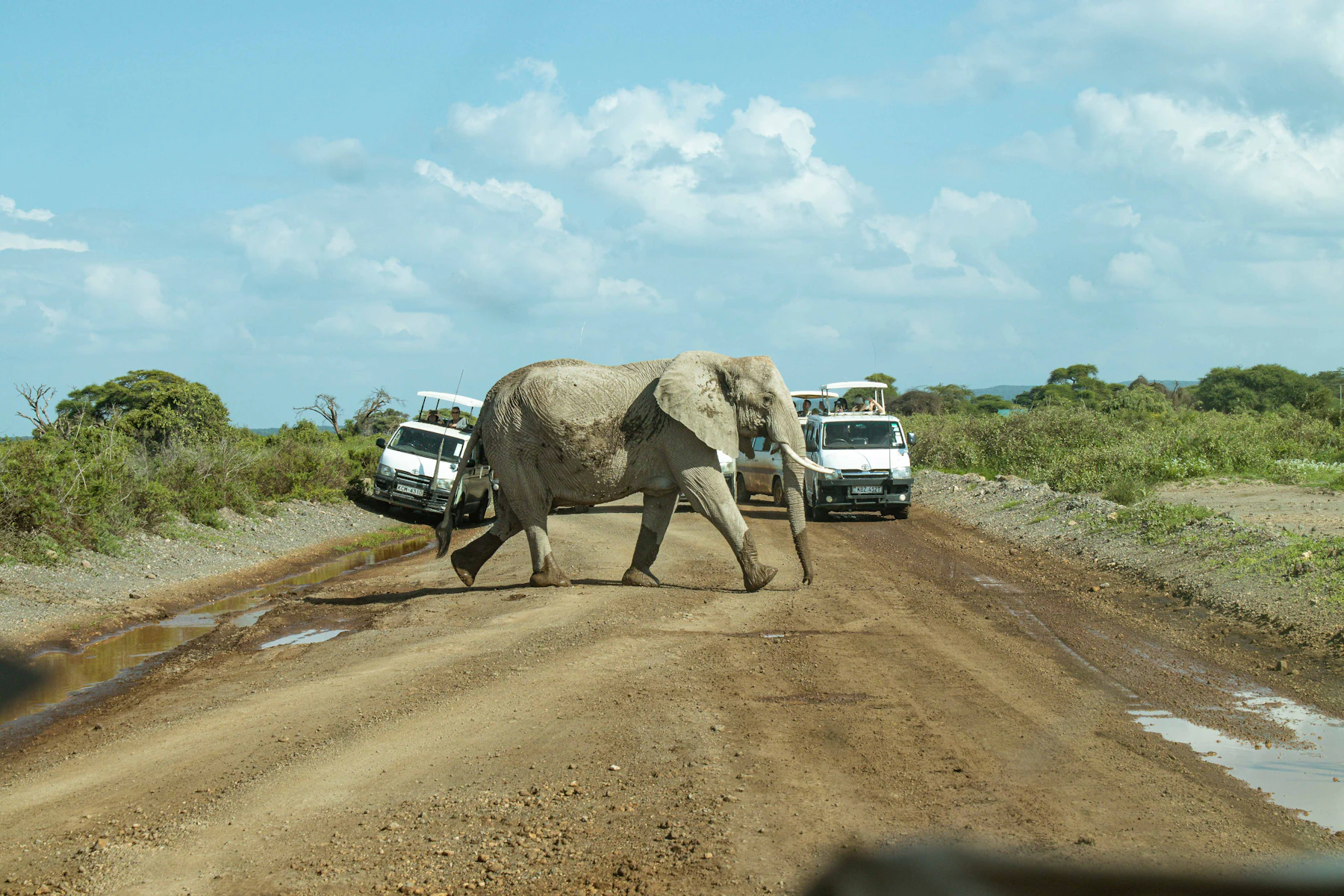
A well-run Kenya group safari manages risk through licensed services, maintained vehicles, experienced guides, daylight road planning, current travel and health advice, suitable insurance and travellers who follow instructions.
Most safety problems are not solved by one dramatic promise. They are reduced when an airport transfer has the right flight number, the guide refuses a dangerous shortcut, medicines stay in hand luggage, a child has the correct restraint and nobody leaves the vehicle at an unauthorised place.
Safety questions for the whole journey
- What should happen before travel?
- How do you check the operator?
- How are road risks managed?
- What are the park rules?
- What should the vehicle have?
- Health, insurance and medication
- Nairobi and airport transfers
- Safety at lodges and camps
- How should the group behave?
- What should the emergency plan include?
- Traveller experiences
- Frequently asked questions
Before flights, deposits and room lists
Travel advice
Every traveller should check current official advice from their own government. Advice can distinguish normal safari regions from areas where travel is discouraged and can change around security events or demonstrations.
Entry documents
Use Kenya’s official eTA website when an authorisation is required. An organiser can remind the group, but each traveller remains responsible for a valid passport and entry permission.
Health advice
Consult a qualified travel-health professional in time for vaccines, malaria discussion and personal medical advice. Recommendations depend on itinerary, health and country of origin.
Insurance
Cover medical treatment, evacuation, cancellation, baggage and the activities actually booked. Advice against travel can affect policy validity.
Medical information
Disclose mobility needs, severe allergies and relevant conditions through an agreed private process. The guide needs actionable information, not a public diagnosis list.
Emergency contacts
Carry NLS, insurance, family and group-leader contacts offline. A phone with no signal should not contain the only copy.
Verify who is operating the safari
Kenya’s Tourism Regulatory Authority licenses tour and safari operators under Class C. Its official verification system allows travellers to check licence authenticity using the relevant number. Ask the operator for the current licence information and compare the business name with the proposal and payment account.
The TRA’s published operator requirements include business registration, professional certificates, vehicle ownership or licensed hire arrangements and insurance copies. A licence does not guarantee that every trip will be perfect, but it is a basic regulatory check.
Also ask who owns the vehicles, who the guides work for, what happens after a breakdown and which company holds the booking. Group Safari Kenya is owned by NLS Safaris; the proposal and payment instructions should identify NLS consistently. The guide to choosing a Kenya safari operator provides a full pre-payment checklist.
Daylight driving, realistic times and comfort stops
Current UK travel advice notes poor driving standards, road crime risks and the need to take particular care on remote roads. It advises against night driving where possible and recommends allowing ample time between Nairobi and JKIA. Travellers should also consult advice issued for their nationality.
A safari itinerary should not encourage speeding by promising impossible transfer times. Nairobi to the Mara, Naivasha to Amboseli and Tsavo to the coast all change with traffic, weather, road works, gates and the selected property. Build the day around conservative time, fuel and comfort stops.
Seat belts should be available and used. Bags must be secured so they do not become projectiles or block exits. The driver-guide should not use a phone by hand while driving, race another vehicle or continue when fatigue and conditions make the road unsafe. A group’s desire to reach a sunset drive does not outrank the road.
Kenya Wildlife Service park rules in plain language
KWS park rules tell visitors to respect wildlife right of way, follow opening and closing times, drive slowly, avoid noise, stay on established roads, observe the 40 kph park speed limit and remain inside vehicles except at designated areas. Feeding wildlife is prohibited.
The guide decides when windows can open, when the group may stand and where anyone can leave the vehicle. An animal close to the road is not an invitation to touch it. Elephants, buffalo, hippos, cats and even apparently calm herbivores can react quickly.
At a crowded sighting, do not shout instructions, block another vehicle or demand an off-road approach. The recent vehicle seating guide also explains safe roof and window use.
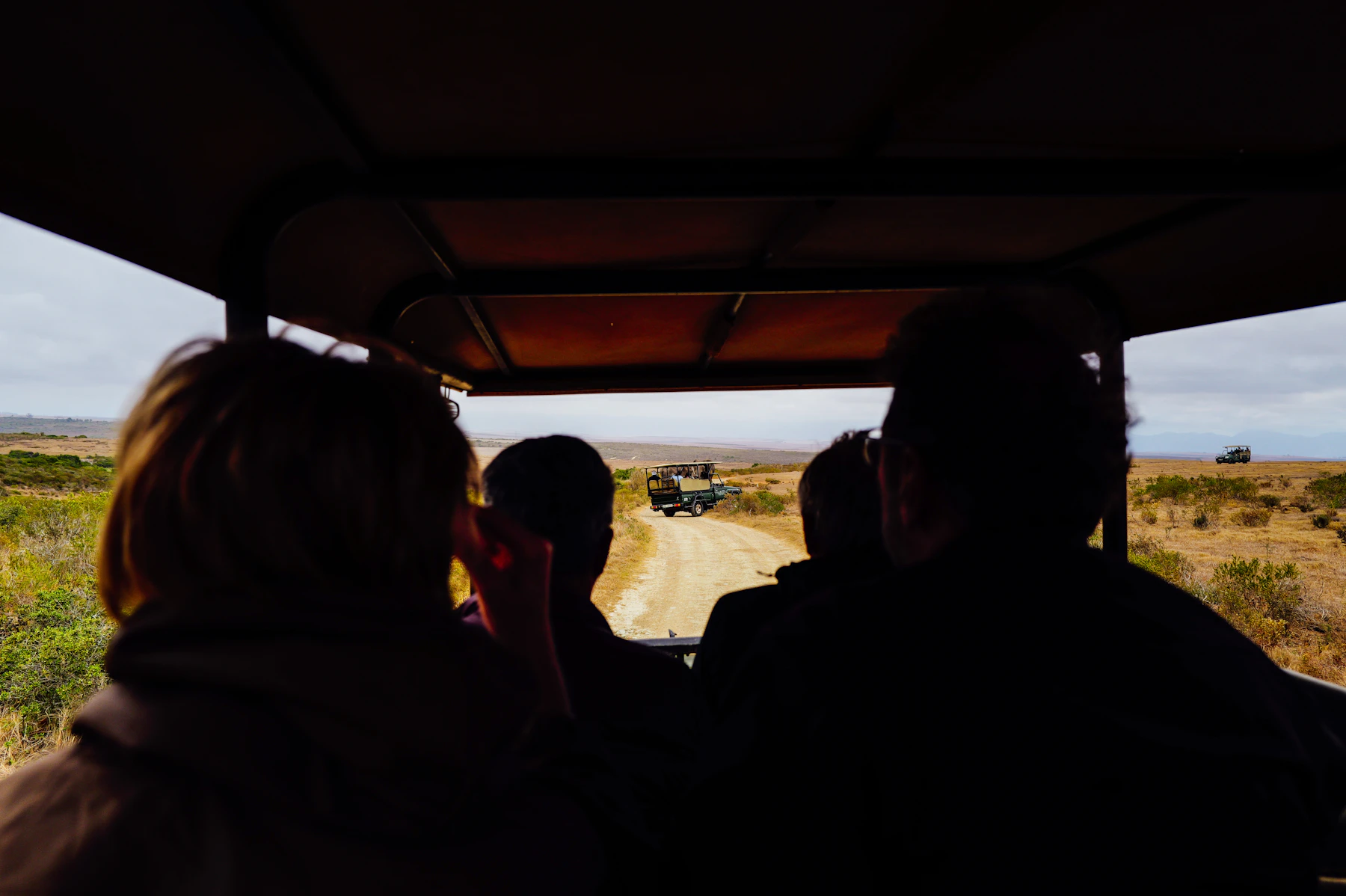
Vehicle questions for families and large groups
| Question | Why it matters |
|---|---|
| Are seat belts fitted to the assigned seats? | Passengers should use them on public roads and whenever instructed |
| What child restraint is available? | The restraint must suit the child and be compatible with the actual vehicle |
| How do passengers enter the rear? | High steps and narrow aisles affect older or mobility-limited guests |
| Where does luggage go? | Bags should not block aisles, doors or viewing positions |
| How many people stand under the roof? | Overcrowding creates falls and obstructs the guide’s instructions |
| What is the breakdown plan? | The proposal should explain support realistically without promising instant replacement in a remote park |
For two or more vehicles, use passenger manifests and a lead guide. Convoy driving should not force close following on dusty roads. Agree meeting points so each guide can maintain a safe distance.
Health preparation, food, water and medicines
Official travel-health guidance for Kenya discusses risks including malaria, dengue, schistosomiasis and altitude illness in relevant areas. A qualified clinician should advise each traveller based on route, age, pregnancy, health and medical history.
Carry prescription medicines in hand luggage, in original packaging where practical, with documentation required by the traveller’s authorities. Bring enough for delays. Tell the group leader privately about time-critical medication or severe allergy action that affects the safari.
Use safe drinking water supplied or recommended by the operator. Wash or sanitise hands before meals. Inform the lodge promptly about a dietary allergy rather than relying on a buffet label. Sun, dust, dehydration and motion sickness are common comfort issues that can become serious when ignored.
The current UK advice lists 999 for ambulance services in Kenya and stresses appropriate medical and evacuation insurance. Emergency response in a remote wildlife area will not resemble a city service, which is why insurance and guide communication matter.
Nairobi hotels, belongings and airport transfers
Use planned transfers from JKIA and avoid displaying cash, expensive jewellery or unattended phones. Current UK advice warns of robbery and bag-snatching and recommends attention to hotel and local security guidance. It specifically advises using Mombasa Road or the Nairobi Expressway between JKIA and the city.
The group should know who is meeting each flight, where that person stands and which phone number to call. Do not enter an unverified vehicle because someone knows the traveller’s first name. Compare the driver’s name, phone and vehicle details with the NLS message.
Plans for free time should follow current local advice. Avoid protests and political gatherings. Use reputable transport and tell someone the destination and return time. Solo travellers may choose a private guide for an unfamiliar city day, but a blanket statement that no visitor can move independently is not accurate.
Room briefings, walkways and night escorts
Listen to the property briefing. Many unfenced camps require an escort after dark because animals move through the grounds. Do not leave the tent at night because a sound is interesting. Use the radio, torch or contact process provided.
Keep doors or tent fastenings closed as instructed. Do not feed monkeys or leave food accessible. Store valuables in the room safe or under the property’s procedure. Show children the route between room, restaurant and meeting point in daylight, then follow escort rules together.
Fire safety matters in permanent lodges and tented camps. Identify exits and the assembly point. Charging equipment should be used only with suitable adapters and the property’s guidance.
Group conduct and shared responsibility
- Arrive at the vehicle at the agreed time
- Tell the guide before leaving a designated stop
- Keep aisles and exits clear
- Do not pressure the driver to speed
- Follow seat and child-restraint instructions
- Respect alcohol limits before drives
- Report illness early
- Do not post another traveller’s medical information
- Keep emergency contacts offline
- Use a buddy system during large transfers
- Count people before departure
- Escalate harassment or unsafe conduct promptly
A shared departure also needs boundaries around noise, photography and personal space. A private existing group may know one another well but should not treat familiarity as permission to ignore the guide.
What the organiser should have offline
| Record | Minimum detail |
|---|---|
| Traveller manifest | Names, room, vehicle and emergency contact |
| Flight sheet | Flight number, date, time and transfer |
| NLS contacts | Office, operations and assigned guide when available |
| Insurance | Policy and assistance number for each traveller or company plan |
| Medical action | Only necessary confidential information and medication instructions |
| Contingency | Delay, missed flight, illness, weather and vehicle response ownership |
The group leader coordinates people; the guide controls the safari operation; medical professionals and insurers control clinical decisions. Those roles should not blur during an incident.
What people notice on Kenya roads and in parks
These are personal reports from public discussions. They do not replace official advice.
“From Nairobi to Masai Mara by Land Cruiser is a long and difficult adventure.”
A traveller described the rough final road and advised that people prone to motion sickness consider flying.
“we nearly had a serious accident… at night due to reckless overtaking”
A forum traveller used the experience to support daytime road planning.
“we noticed many drivers getting awfully close to the animals”
A recent visitor was uncomfortable with vehicle behaviour at sightings. The KWS rules provide the standard travellers should expect guides to follow.
What every traveller should know on the first day
The guide should explain vehicle entry, seat belts, roof use, water, comfort stops and what to do if someone feels unwell. In wildlife areas, travellers need to know when they may leave the vehicle, why voices and sudden movement matter, and why the guide may refuse to approach a sighting even when another vehicle does. Children need the same rules in language they understand, with an adult clearly responsible for them.
The group leader should explain how updates will be shared and who holds emergency contacts. Agree on a meeting point if people separate at an airport or lodge. Confirm the next day’s wake-up, luggage and departure time before dinner ends, not while the vehicle is waiting in the morning.
A useful briefing also gives people permission to speak early. Motion sickness, overheating, fatigue and anxiety are easier to manage before they become emergencies. Dietary errors can often be corrected when reported at the first meal. A guest who needs a different seat should raise it before a long transfer. Read the vehicle seating guide, the private group planning guide and the operator verification guide as part of the same preparation.
Kenya group safari safety FAQs
Is a Kenya safari safe?
No trip is guaranteed safe. Licensed operation, current advice, suitable insurance, experienced guides and sensible behaviour reduce risk.
Can we leave the safari vehicle?
Only in designated areas or when the guide explicitly says it is permitted.
How close can vehicles get to animals?
KWS advises respectful distance and wildlife right of way. The guide should avoid crowding or startling animals.
Is road travel at night advisable?
It should be avoided where possible. Build daylight transfers and a Nairobi staging night into the route.
Do we need travel insurance?
Suitable medical, evacuation, cancellation and activity cover is strongly advisable. Check the policy against current official advice.
Which vaccines do we need?
Ask a qualified travel-health professional. Advice depends on health, nationality, route and current guidance.
Should we disclose a medical condition?
Disclose information that affects operation or emergency response through a private agreed process.
Are tented camps safe at night?
Follow the camp briefing and use required escorts. Never leave the tent because an animal sound is interesting.
How do we verify the operator?
Ask for the current TRA licence information and check the official verification system, company name and payment details.
Can children go on safari?
Yes with appropriate rooms, restraints, pacing, supervision and activity age rules.
What if a vehicle breaks down?
The guide should move passengers to a safe position and contact operational support. The exact response depends on location and available support.
What contacts should we carry?
NLS, assigned guide, hotel, insurer, group leader, emergency family contact and relevant official emergency numbers.
Post photography: Brian Kungu and Adrien Olichon on Unsplash.
Tell us what affects the group’s operation
Include dates, route, flights, child ages, mobility, medical equipment, luggage and any requirement that changes vehicles, rooms or pacing. Do not submit confidential details beyond what NLS needs to respond.