Kenya Safari Single Supplements and Group Rooming
Understand twin sharing, doubles, matched roommates, triples, family rooms and the extra cost of sleeping alone before the organiser divides one safari total across everyone.
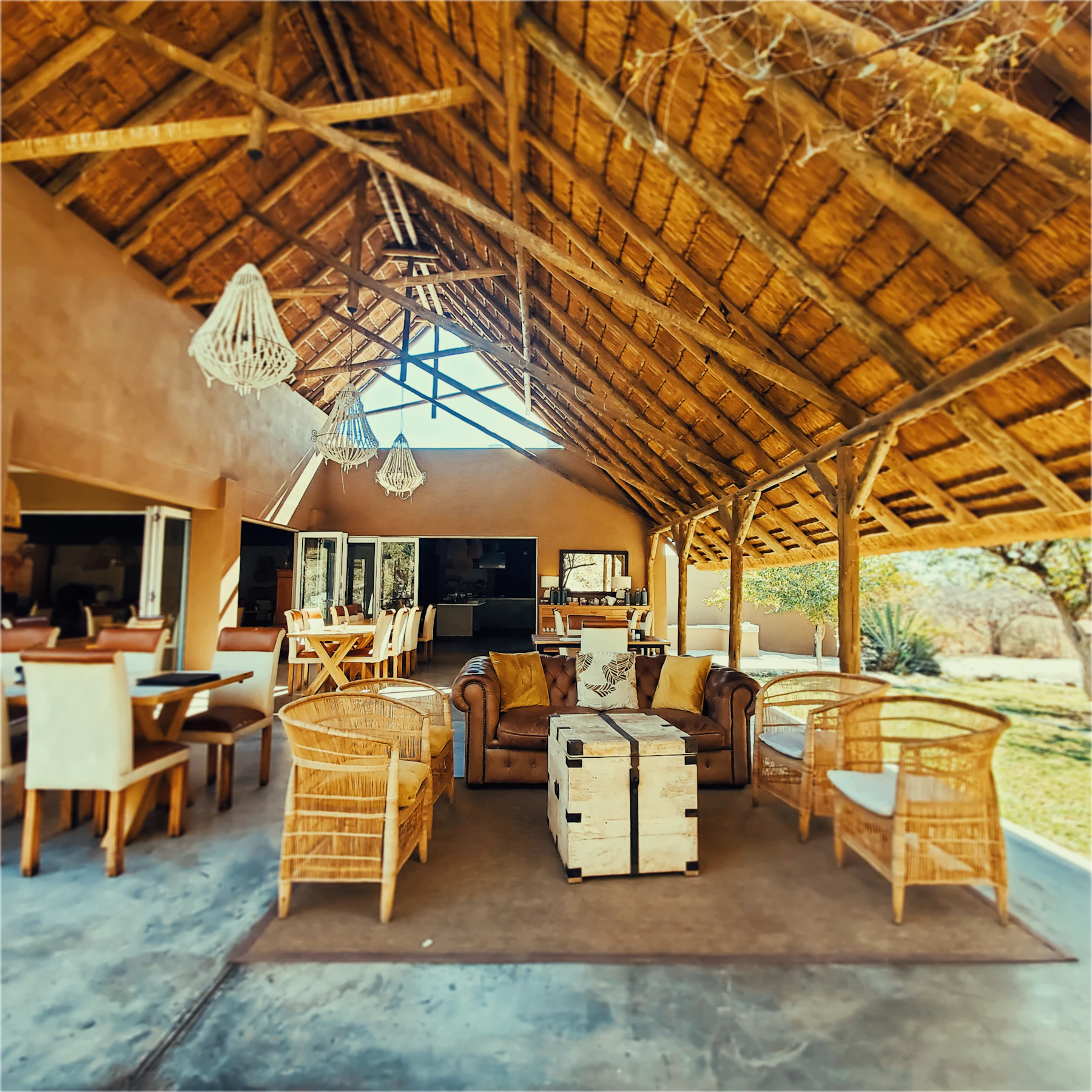
A Kenya safari single supplement is the extra amount one traveller pays to occupy a room alone when the advertised package price assumes two people sharing. It does not pay for a private vehicle or an extra guide.
A group of ten can need five twins, ten singles, three doubles and four singles, or two family units plus other rooms. All four arrangements use different inventory and can produce different per-person prices. Ask NLS to separate the shared safari services from each traveller’s room difference.
Rooming questions to settle before collecting deposits
- What do the room terms mean?
- Why is there a single supplement?
- How is it calculated?
- Will solo travellers be matched?
- Can three adults share?
- How do family rooms work?
- What do real Kenya properties offer?
- How to build a rooming list
- What happens when someone withdraws?
- What solo travellers say
- Frequently asked questions
Twin, double, single, triple and family room
| Term | Usual meaning | What still needs confirmation |
|---|---|---|
| Twin room | Two separate beds for two travellers | Bed size, whether the beds share a base and if the room can become a double |
| Double room | One bed intended for two people | King, queen or smaller bed and whether a twin can be guaranteed instead |
| Single room | One person occupies the room | Whether it is the same category as a twin and the supplement by date |
| Triple room | Three people occupy one unit | Three proper beds, or an extra bed added to a double or twin |
| Family room or tent | Accommodation intended for adults and children together | Number of bedrooms, bathrooms, privacy, connecting door and maximum ages |
| Interconnecting rooms | Separate rooms with an internal door | Whether the door is guaranteed and which room categories connect |
A room described as “triple” may be perfectly comfortable for parents and a child but cramped for three adults with safari luggage. A “family tent” can mean two proper en-suite bedrooms, or one large tent with extra beds. Ask for the property’s exact description and a current floor plan or photograph when the layout matters.
Why hotels and camps charge a single supplement
Safari package prices are commonly shown per person sharing. Two guests occupy one room and divide its nightly cost. When one guest uses that room, the property receives one accommodation payment instead of two. The supplement closes part of that difference.
It is not necessarily double. One person eats one person’s meals and uses one seat on a shared drive, so a single package can be less than twice the sharing price. At a small camp with six or twelve tents, a single booking during a full peak week can displace a couple. During a quiet month, the same room may otherwise remain empty and the property may reduce or waive the supplement.
That is why there is no honest universal “Kenya single supplement percentage.” It changes by lodge, season, room category, promotion and contract. Ask for the actual amount on each itinerary rather than applying 20 or 30 percent to the whole safari.
How group rooming changes the quotation
Imagine eight adults taking a private road safari. The route uses two vehicles whether the group books four twins or eight singles. Park fees remain eight adult fees. The guide and route fuel remain the same. Accommodation changes from four rooms to eight.
| Cost line | Four twins | Eight singles |
|---|---|---|
| Travellers | 8 | 8 |
| Rooms per night | 4 | 8 |
| Safari vehicles | Same contracted allocation | Same contracted allocation |
| Park fees | 8 individual fees | 8 individual fees |
| Main change | Room cost divided between two occupants | Sole occupancy supplements and more room inventory |
A group-joining safari follows the same distinction. The traveller shares a vehicle with the departure but can still pay a supplement for a private bedroom. Conversely, two friends can share a room and book a private safari vehicle. Vehicle privacy and bedroom privacy are separate products.
The main group safari Kenya hub explains private and group joining models. The private group safari page shows how room mix and vehicle count combine in a custom quote.
How roommate matching should work
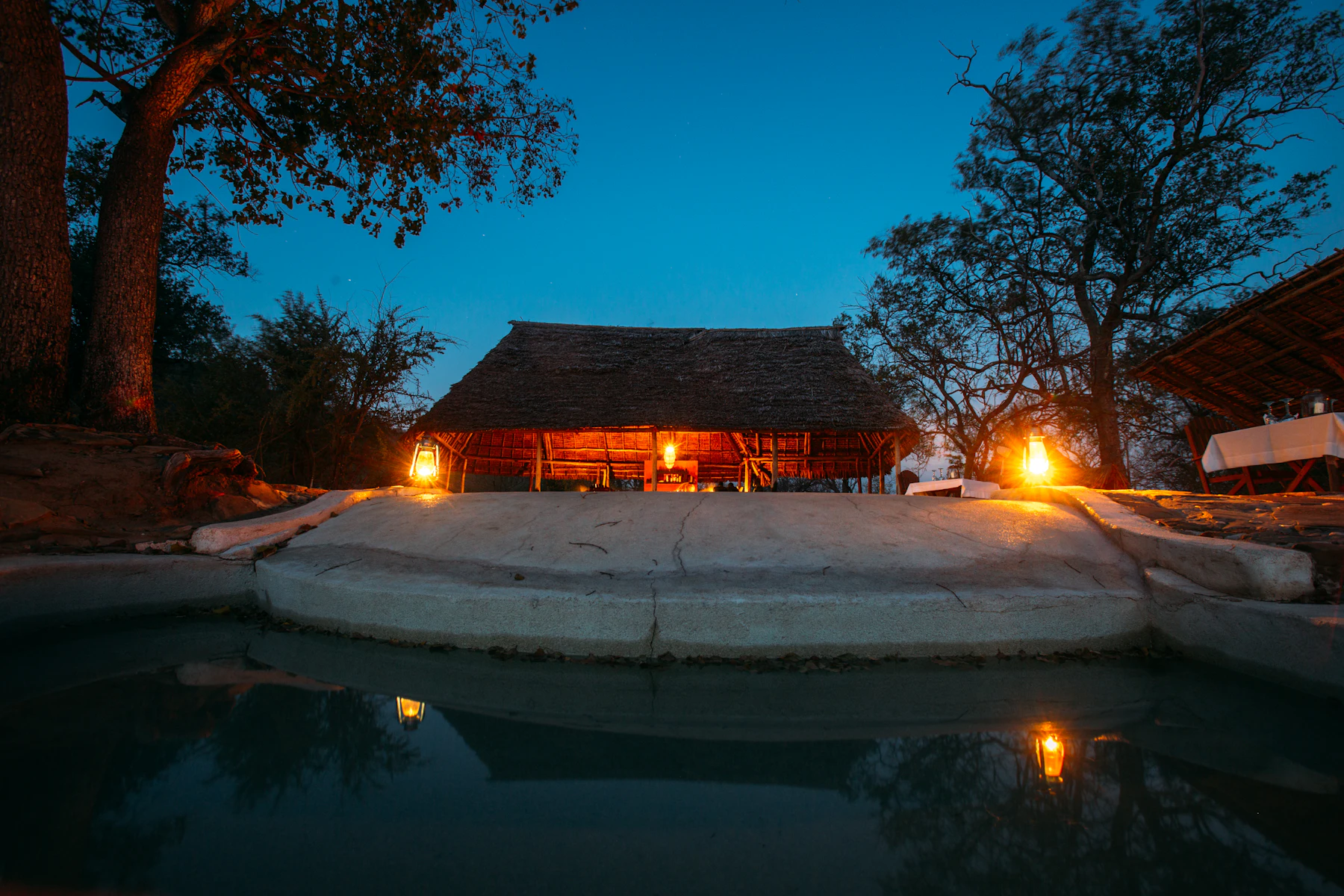
Some scheduled departures pair solo travellers, commonly with another person of the same gender. Ask whether matching is an included guarantee, a request only, or not offered. The rules should state what happens if nobody suitable books by the rooming deadline.
A fair policy also explains whether age, sleeping habits or smoking preferences can be considered. NLS cannot promise that strangers will become compatible friends. Travellers who need privacy, use medical equipment, snore heavily or simply rest better alone should request a single from the beginning.
Never place two colleagues or association members together without asking them. Share the proposed list privately and set a deadline for corrections. Personal rooming information should not be posted in a large public chat.
When a triple room saves money and when it does not
A triple can suit three friends when the property confirms three adult-sized beds and sufficient floor space. It may also suit parents with an older child. It becomes a poor bargain when the third bed blocks luggage, the bathroom serves three adults on early starts, or one person sleeps on a short rollaway.
Compare the confirmed triple price with one twin plus one single. The second arrangement costs more but gives privacy, storage and two bathrooms. A group organiser should show the choice instead of assuming the cheapest room count is acceptable.
Children, family units and child-sharing rules
Properties set their own maximum occupancy and child age bands. A child may share with two adults at one lodge but require a separate room at another. Some camps have age limits for activities or require a private vehicle when young children join.
Ask whether the family unit has separate bedrooms, an internal door, one or two bathrooms and enough distance from common areas. Ground-floor lodge rooms may be easier for a toddler than elevated tents. Older teenagers may prefer a nearby twin room, but “nearby” should become a confirmed request rather than an assumption.
On a 10-day Kenya group safari, nine consecutive nights make privacy and bed comfort more important than on a weekend. Use one room plan across every stop and highlight any night where the property cannot match it.
Examples of Kenya safari room configurations
| Property | Useful published detail | Group question |
|---|---|---|
| Olare Mara Kempinski | The current property page lists twelve tents across its room and suite categories | Can the requested group take a meaningful portion of this small camp without displacing room preferences? |
| Enashipai Resort & Spa, Naivasha | Its accommodation information includes garden cottages arranged around shared living areas | Which bedrooms and bathrooms belong to each confirmed cottage category? |
| Tortilis Camp, Amboseli | Its published family tent includes one double and one twin en-suite bedroom | Is that exact family tent available, and do the child ages fit its policy? |
| Mara Sopa Lodge | A larger lodge often offers more standardised room inventory than a small tented camp | How many twins, doubles and accessible positions are held for the dates? |
These are examples, not automatic inclusions. NLS must confirm the named room category and current property terms. A hotel name alone does not guarantee a family tent, interconnecting rooms or a particular view.
What the organiser should collect
| Field | Example | Why it matters |
|---|---|---|
| Traveller name | As used on the booking | Connects rooms, flights and park-fee category |
| Roommate | Named person or “single requested” | Prevents accidental matching |
| Bed type | Twin, double, family or triple | Twin and double are not interchangeable for every pair |
| Child age at travel | Years and months if relevant | Properties and fees use age bands |
| Access request | Ground floor, near common area, fewer steps | Location may be more important than the category |
| Upgrade choice | Standard, suite or family unit | Keeps personal upgrades out of the common amount |
| Dietary note | Specific requirement or allergy | Needs advance notice to every property |
Set a first deadline while rooms can still change and a final deadline before release or penalty terms apply. Keep a version number and one owner. Room changes scattered across email, WhatsApp and spreadsheets are how the wrong colleagues end up together.
Withdrawals, roommate changes and released rooms
If one person in a twin cancels, the remaining traveller may now occupy the room alone. The booking terms should state whether a single supplement becomes payable, whether a replacement can take the place, and what name-change fees apply.
A falling group size can also affect vehicles. The organiser should distinguish the room consequence from any recalculation of shared transport. The person who loses a roommate should not discover both changes after the final payment deadline.
For corporate and association groups, agree who carries unused inventory. The organisation may guarantee the room block, or NLS may hold individual bookings under a master arrangement. Both can work, but the financial responsibility must be clear.
What people say about single supplements
These comments are personal experiences from public forums. They do not describe every camp or NLS booking.
“It’s not the tour operators that charge a single supplement, it’s the lodge or camp.”
A frequent solo traveller highlighted that the accommodation policy often creates the extra room cost.
“I tend to pony up for it.”
One solo traveller preferred paying for a private tent rather than relying on how a group might allocate unmatched rooms.
“It also doesn’t hurt to ask if the SS can be waived or lowered.”
An experienced solo safari traveller noted that off-season availability can create more room for negotiation.
What happens between the first list and check-in
The organiser’s first spreadsheet is a request, not necessarily a hotel confirmation. NLS uses it to match available room categories, price the correct occupancy and flag combinations that a property cannot provide. A family labelled “two adults and two children” may need one family unit at one lodge and two connecting or nearby rooms at another.
Before the cancellation deadline, send a final list with names as required for the booking, adult or child status, sharing pairs, bed preference and essential access notes. Keep passport numbers and sensitive medical details out of a widely shared group sheet. Confirm who is authorised to approve upgrades and supplements so a late request does not hold up everyone’s documents.
At check-in, the group leader should carry the latest allocation but let the guide or lodge host manage keys. If a twin has been made as a double, ask housekeeping to correct the bed setup before moving guests between rooms. A surprise change can affect meals, porterage and the next morning’s wake-up calls. For the wider planning sequence, use the private group safari guide, the joining safari guide and the operator checklist.
Kenya safari single supplement FAQs
What is a single supplement?
It is the extra amount one traveller pays to occupy a room alone when the package price assumes two people sharing.
Does it include a private vehicle?
No. Room occupancy and vehicle use are separate. A solo traveller can sleep alone and still share the safari vehicle.
How much is the supplement?
There is no universal percentage. It depends on property, category, season, promotion and itinerary.
Can it be waived?
Some properties reduce or waive it in selected low-demand periods. NLS must confirm the actual offer for the requested date.
Can NLS match me with a roommate?
Only when the departure policy offers matching and another compatible traveller books. Ask what happens if no match is found.
What is twin sharing?
Two travellers share one room with separate beds. Confirm the actual bed configuration with the property.
Can three adults share one room?
Sometimes. Confirm three adult-sized beds, floor space, bathroom arrangement and the actual price against a twin plus single.
Can children share with parents?
Property rules and child ages determine occupancy. Request the exact family or extra-bed arrangement.
Do all hotels have family rooms?
No. Layout, capacity and privacy vary widely. A family tent at one camp is not equivalent to a family room elsewhere.
What if my roommate cancels?
The remaining guest may face a supplement unless a replacement is accepted. The booking terms should explain this before deposits.
Can colleagues have rooms near each other?
NLS can request proximity, but a request is not guaranteed unless the property confirms it.
When is the final rooming list due?
The deadline follows the booked properties and contract. Ask for a first change deadline and a final names deadline.
Examples used in this guide
Post photography: aurélie sgnl and Rafael Peier on Unsplash.
Share the room mix
Include dates, property or route, twin and double pairs, singles, child ages, family units, triples, upgrades and any ground-floor or proximity requests.