Kenya Group Safari Packing List
Choose one soft main bag, one reachable day bag, layers for cool dawns, sun and rain protection, and only the equipment the transport can carry.

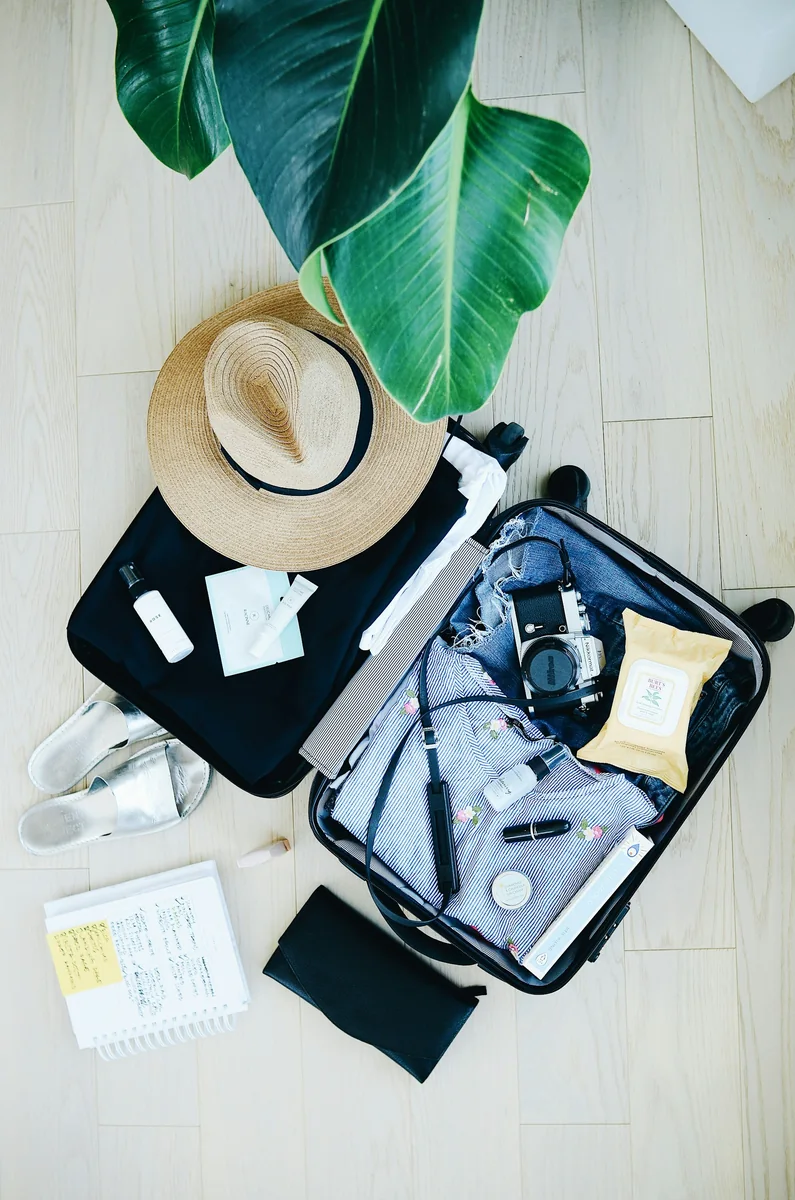
A practical Kenya group safari packing list starts with a soft bag, small day bag, neutral comfortable layers, fleece or light jacket, rain shell, closed shoes, hat, sunscreen, insect repellent, binoculars, chargers, documents and personal medication. Confirm aircraft limits separately.
Kenya can feel cold before sunrise, dusty by lunch and wet after an afternoon shower. Packing one heavy “safari outfit” misses that daily change.
Group travel adds another limit: every bag has to fit beside other people, cameras, child equipment or mobility aids.
What this guide covers
- The short master packing list
- Road safari and fly-in luggage are different
- Clothing for dawn, sun, dust and rain
- Cameras, binoculars and charging
- What toiletries and medication need thought
- Shared vehicle space and family equipment
- What to leave at home
- A group packing workflow that prevents surprises
- Traveller perspectives
- Group planning questions
- Frequently asked questions
The short master packing list
Use soft luggage, a day bag, three or four interchangeable outfits, warm layer, rain shell, sun hat, closed shoes, sandals, sleepwear and swimwear where relevant.
Add documents, medicine, chargers, binoculars and a reusable bottle.
Road safari and fly-in luggage are different
Road 4x4s have more flexibility but limited shared space. Small safari aircraft impose exact weight and bag-shape rules set by the airline.
Never rely on a general kilogram number from another route.
| Bag | Contents | Where it travels |
|---|---|---|
| Soft main bag | Clothes and non-essentials | Vehicle luggage area |
| Day bag | Layer, water, camera and medicine | With passenger |
| Document pouch | Passport, insurance and tickets | Secure personal carry |
| Equipment case | Lens or mobility item | Declared before vehicle allocation |
Clothing for dawn, sun, dust and rain
Layer breathable shirts and trousers with a fleece. Neutral colours are practical; camouflage may create legal or social complications in some places.
Pack a light scarf or buff for dust without dressing like a costume.
| Condition | Pack | Do not assume |
|---|---|---|
| Cool dawn | Fleece or light jacket | Equator means hot all day |
| Strong sun | Hat, sunscreen and glasses | Vehicle roof gives full shade |
| Dust | Buff and lens cloth | Closed cabin every drive |
| Rain | Light shell and bag protection | Rain only occurs in one season |
Cameras, binoculars and charging
One binocular per person or pair improves sightings. Bring spare camera batteries, memory cards, lens cloth and protected storage.
Charging availability varies by lodge and vehicle.
What toiletries and medication need thought
Use travel-size toiletries and avoid leaking containers. Carry prescription medicine in original or clearly identified packaging with personal medical advice and documentation where appropriate.
Keep essential medicine in the day bag.
| Item | Road circuit | Small aircraft |
|---|---|---|
| Main bag | Flexible but shared space | Exact weight and soft shape |
| Camera bag | Declare size | May count in allowance |
| Hard case | Often awkward | May be rejected |
| Extra luggage | Possible Nairobi storage | Arrange before flight |
Shared vehicle space and family equipment
Count pushchairs, child seats, wheelchairs, tripods and long-lens cases before assigning vehicles.
Label bags discreetly and keep one shared first-night essentials kit if arrivals are scattered.
- Soft main bag
- Small day bag
- Warm and rain layers
- Closed shoes and sandals
- Hat and sun protection
- Binoculars
- Chargers and power bank
- Personal medication
- Travel documents
What to leave at home
Leave unnecessary jewellery, hard cases when soft bags are requested, excessive shoes, single-use plastics that conflict with rules, and equipment the group has not arranged to store.
A drone is not a casual safari accessory and requires permissions.
A group packing workflow that prevents surprises
Send bag limits with the proposal, ask each traveller to confirm special equipment, and perform one count before the Nairobi departure.
Keep weather layers and documents reachable.
- Confirm transport limit
- Share list
- Declare special equipment
- Pack layers
- Label bags
- Keep essentials accessible
- Count before departure
What travellers say about the choices that shape this trip
These short comments come from public travel discussions. They are personal experiences, not promises that every group will feel the same way.
“definitely would have a light jacket for the afternoon game drives”
This practical note came from a recent Kenya traveller. Early starts and open roofs can feel cool even when midday is warm.
“It was a LOT of time in a car”
A first-time Kenya traveller used those words after a fast Mara, Nakuru and Amboseli circuit. The lesson is to count transfer hours as part of the holiday.
“Research. lot of research to find out about the operator.”
A recent Kenya traveller described checking several review sources. Independent comments are useful, but licensing and the written proposal matter too.
Questions that make the group plan stronger
A group safari becomes much easier when the organiser collects real preferences instead of trying to guess what everyone will tolerate. Work through these points together, then give NLS one agreed brief.
Who has authority to approve the final plan?
Name one organiser and one backup. NLS still receives individual room and dietary details, but route and cost changes for a Kenya group safari with the right luggage plan need a clear approval path.
Which dates are genuinely fixed?
Separate immovable flights, school terms or events from dates that can move. A small shift can change room availability, park costs and the number of vehicles required.
What is the comfortable per-person range?
Collect a realistic range, not a public vote on the cheapest possible trip. State whether it includes international flights, a Nairobi night, tips and personal drinks.
How should rooms be shared?
List doubles, twins, singles, family arrangements and accessible rooms by name. Never assume friends will share a bed or that a lodge has unlimited triples.
How much road time will the group enjoy?
Some travellers like watching Kenya unfold from the vehicle. Others need shorter days. Agree on the appetite for long transfers before selecting distant parks.
What must the safari include?
Choose the two or three priorities that would make the trip feel worthwhile, such as cats, elephants, photography, walking, a beach stay or time together.
What support needs should be private?
Invite confidential details about mobility, health, diet, medication storage and anxiety. Share only what the relevant planner, guide or property needs to act on.
How will changes reach everybody?
Keep one current itinerary and one rooming list. A pinned group message or shared file is safer than several screenshots carrying different prices and pickup times.
The aim is not to make forty people agree on every breakfast time. It is to identify the few choices that affect price, comfort and wildlife time, name the person who can approve changes, and let smaller personal preferences remain personal. That balance is what keeps a group holiday sociable.
Useful next guides for this group
Safari Vehicles and Seating
Match passenger numbers, luggage and photography needs to a comfortable vehicle plan.
Group Safari Safety
Cover licensed operations, wildlife rules, road travel, health and emergency contacts.
Rooming and Single Supplements
Organise twins, doubles, family rooms, triples and single-room requests before deposits.
Coordinating Nairobi Arrivals
Plan airport meeting points, staggered flights, hotel nights and the first safari departure.
Best Time for a Kenya Group Safari
Compare rain, crowds, wildlife, prices and room availability across the year.
Group Safaris in Kenya
Start with the main guide to private groups, shared departures, routes, rooms and vehicles.
Kenya Group Safari Packing List FAQs
Can a Kenya group safari with the right luggage plan be private?
Yes. A private safari keeps the vehicle and guide for your existing party. Confirm whether any camp activities, flights or transfers remain shared with other guests.
Can solo travellers join?
They may join a scheduled departure when a seat and room are available. The vehicle saving does not automatically remove the cost of a private bedroom, so ask about the single supplement.
How many people share one safari vehicle?
It depends on the vehicle body, luggage and comfort expected. Four is roomy for photography, while five or six may work for family and friends. Ask for the actual seating plan.
Are park fees included?
They should be clearly listed as included or excluded. The quote must use the travel dates and each traveller’s correct citizen, resident or non-resident category.
Do children pay the same price as adults?
Not always. Park and accommodation age bands can differ, while vehicle costs are shared by the party. Give every child’s age at the time of travel.
Can the itinerary be changed after a deposit?
Sometimes, subject to availability and supplier terms. A change may create cancellation charges or a new price, so settle the major route and room choices before payment.
What meals are normally included?
Most safari lodges use full board, but Nairobi nights, travel-day lunches, drinks and special dinners vary. The proposal should state the meal basis for every night.
What happens if a flight arrives late?
NLS can adjust an airport transfer and hotel meeting when informed, but a missed park departure or domestic flight may carry costs. A Nairobi staging night protects complicated arrival plans.
Is Wi-Fi available on safari?
Many lodges provide it in selected areas, but speed and coverage vary. Mobile signal is not dependable everywhere. Share emergency contacts and download essential documents before leaving Nairobi.
How much luggage can we take?
Road vehicles are more flexible than small aircraft, but space still disappears quickly in a full group. Soft bags help. The booked airline decides any fly-in weight and size limit.
How early should a group book?
Book earlier for migration months, school holidays, festive dates, specialist rooms and large room blocks. Flexible small groups may find options later, but the first-choice property is never guaranteed.
Who operates the safari?
Group Safari Kenya is owned and operated by NLS Safaris. Enquiries, Gravity Forms, email and WhatsApp all reach the NLS planning team.
Official information for the final booking check
How to keep the route enjoyable for everyone
For Kenya group safari travellers and organisers, the final test is how the whole day fits together. The group should receive one clear route, room, vehicle and timing plan. A sensible proposal leaves room for breakfast, comfort stops, park gates, check-in, meals and an unhurried wildlife drive. When those small pieces are ignored, the group pays for a beautiful route but experiences it mainly through a windscreen on transfer days.
What the organiser should put in writing
Ask NLS to show each night, each charged park day and each vehicle in sequence. That simple timeline makes Kenya group safari packing list easier to understand because the group can see where it sleeps, when luggage moves and which activities are genuinely possible. It also exposes a rushed connection before flights and deposits make the route difficult to change.
Where sensible flexibility helps
Leave one named organiser in charge of decisions, but give every traveller the same final itinerary and inclusion list. Room requests, dietary needs, child ages, mobility considerations and arrival details should be collected privately and early. The guide can then concentrate on Kenya rather than solving avoidable administration beside a park gate.
How to compare two proposals fairly
A cheaper version may be completely suitable when the saving comes from a shared vehicle, a simpler lodge or fewer paid extras. It is less convincing when it quietly removes park fees, changes the room basis or adds a transfer that consumes a wildlife day. Compare like with like and choose the compromise the group actually understands.
How rooms, vehicles and people stay aligned
The passenger count, room list and vehicle allocation should tell the same story. If twelve people appear on the manifest, the proposal needs twelve beds and enough comfortable safari seats, with child ages and single rooms identified. This is where Kenya group safari packing list becomes a real trip rather than a per-person figure with hidden assumptions.
What to settle before flights are booked
Flights should follow the route logic, especially when several travellers arrive in Nairobi at different times. Confirm the real landing date, airport, baggage process and hotel before setting the first road departure. At the end, protect the international connection from traffic, weather and a long park transfer.
Post photography: Neil and Zulma Scott and Marissa Grootes on Unsplash.
Tell NLS about a Kenya group safari with the right luggage plan
Include dates, adults and child ages, preferred route, rooming, budget range, arrival city and any mobility or dietary needs.