Best Time for a Kenya Group Safari
Compare migration interest, resident wildlife, rain, room blocks, park fees, school dates and crowds before asking ten people to agree on one travel week.
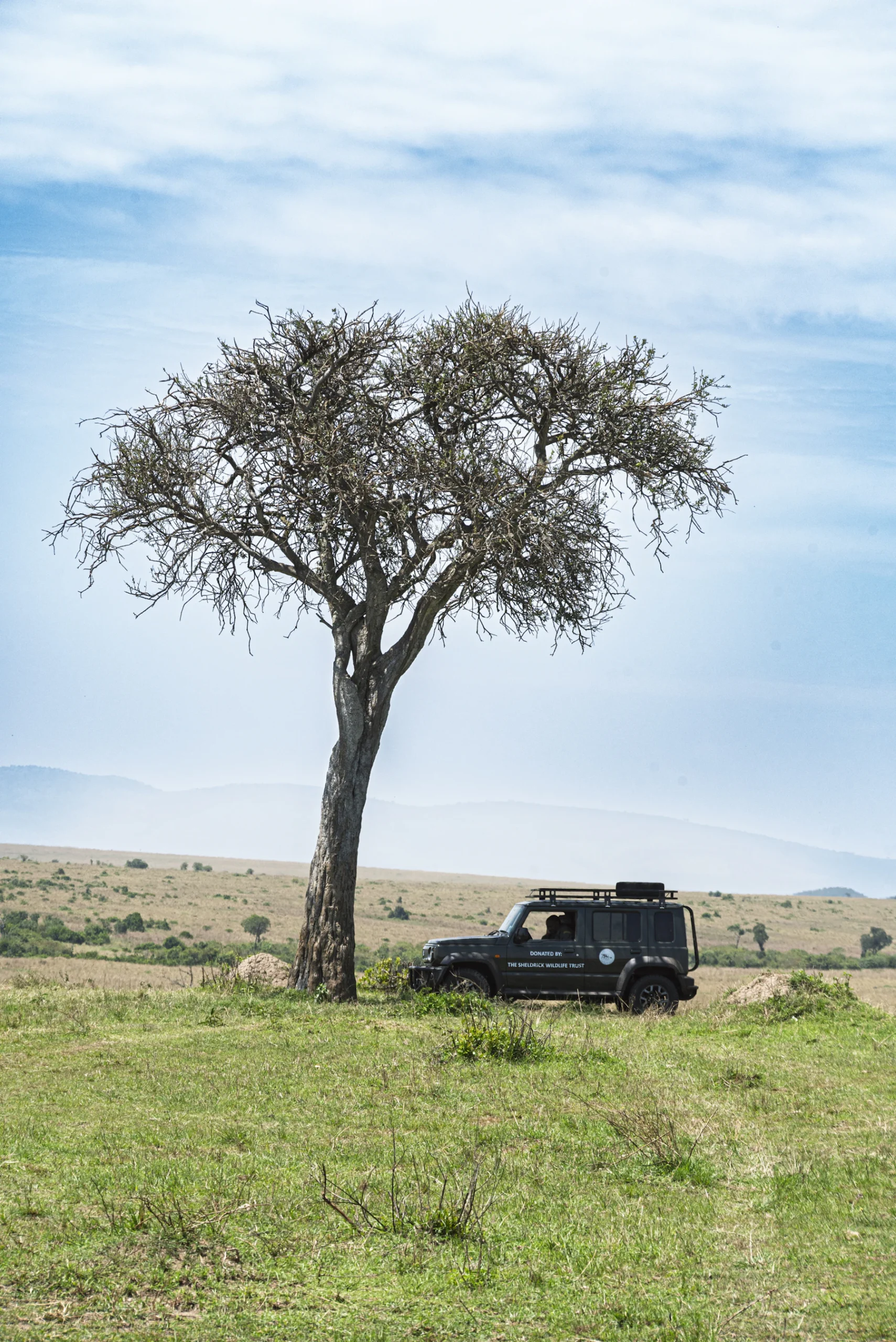
For many groups, January and February offer warm, often drier conditions and resident wildlife with less migration pressure. July through October is popular for dry-season viewing and Great Migration interest, but Mara rooms, fees and vehicle crowds can be much higher.
April and May can deliver green landscapes, dramatic skies and lower demand, with a greater chance that rain affects roads or a drive. November’s short rains can be rewarding and quieter. None of these windows guarantees weather, mountain views, river crossings or a particular animal.
Choose dates by more than the weather icon
Five different meanings of “best”
Best for migration interest
Groups hoping for large herds in the Masai Mara usually focus on July through October. Herd location and river crossings follow rain and movement, not a booking calendar.
Best for fewer vehicles
January, February, June and parts of November can feel quieter than peak migration weeks, depending on the reserve area and property.
Best for value
Green and shoulder seasons may offer lower room rates or specials. Official park fees and festive dates can still keep the total high.
Best for photography
Dry-season dust, green-season colour, storm light and calving periods create different images. A dedicated group should choose the visual goal and reduce passengers per vehicle.
Best for families
School holidays may force popular dates. Comfortable rooms, pool time, child policies and reasonable heat can matter more than migration.
Best for large room blocks
The best operational date is sometimes the week when one property can confirm the required singles, twins and family rooms together.
Kenya group safari month by month
| Months | What can be attractive | What the group should consider |
|---|---|---|
| January to February | Warm conditions, useful dry spells, resident wildlife, birdlife and lower Mara migration pressure | Afternoon rain is still possible; popular properties and half-term dates can fill |
| March | Green scenery and a transition toward the long rains | Timing of rain varies; some camps change seasonal operations |
| April to May | Lush landscape, quieter properties, dramatic light and possible rate value | Muddy tracks, showers, property closures and slower road transfers |
| June | Landscape drying, good resident wildlife and a quieter lead-in to peak season | Migration timing is uncertain and evenings can feel cool |
| July to September | Dry-season viewing and strong Great Migration interest in the Mara | Peak demand, busy sightings, limited room blocks and higher current Mara fees |
| October | Migration may still be present, with changing conditions toward short rains | Herd movement is variable and the full month should not be sold as a crossing guarantee |
| November | Green renewal, fewer vehicles and birding interest | Short rains can affect tracks and outdoor activities |
| December | Fresh scenery and family holiday travel | Christmas and New Year room blocks and rates behave like peak season |
Kenya’s ecosystems do not share one weather switch. Samburu can be dry while the Mara is green. Kilimanjaro may appear at dawn in Amboseli and disappear by breakfast. Use the calendar to choose trade-offs, then plan several viewing opportunities.
Great Migration dates and river-crossing expectations
The wildebeest migration is a continuous circuit through the Serengeti-Mara ecosystem. Large herds often move into the Masai Mara during the northern part of the cycle, commonly attracting travellers from July into October. Rainfall and grazing conditions influence the timing.
A river crossing cannot be booked. Herds can gather for hours or days and turn away. A vehicle may be in another part of the reserve when movement begins. The ethical guide preserves distance and follows local rules rather than pushing into a bank crowd.
If a crossing is the group’s main goal, spend at least three or four nights in the Mara, choose accommodation with sensible access to the desired area and accept that resident cats, elephants, giraffes and plains game may become the trip’s highlight instead. The group safaris Kenya hub helps compare route lengths.
How season changes Mara, Amboseli, Samburu and the lakes
Masai Mara
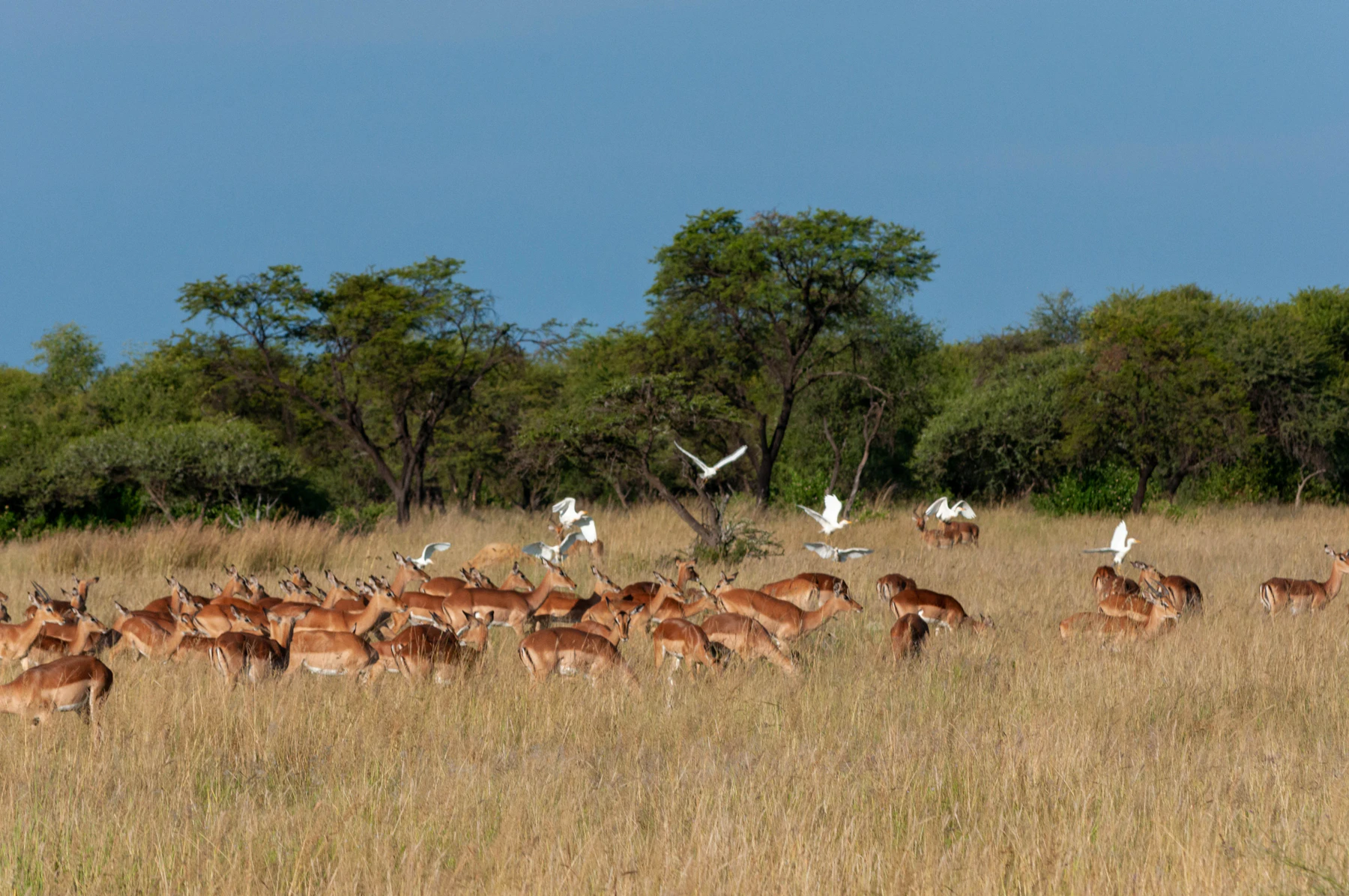
Resident wildlife supports year-round safaris. Migration months attract the greatest demand and can crowd popular sightings. Green periods offer colour and fewer vehicles, with rain-related road changes.
Amboseli
Permanent swamps continue to draw elephants and waterbirds even when surrounding plains are dry. Clear Kilimanjaro views often favour dawn, but the mountain remains weather-dependent in every month.
Samburu
Dry-country species and the Ewaso Ng’iro system create a distinct route. Heat can be strong, and rain can alter river and road conditions. It can combine well with Ol Pejeta in a northern circuit.
Lake Nakuru
Rhino habitat, Rothschild’s giraffe, woodland and lake scenery are stronger planning reasons than a promise of flamingo numbers. Water level and food conditions affect where birds gather.
Lake Naivasha
Boat trips, walking and Hell’s Gate add non-vehicle activity. Wind and rain can change a boat schedule, so the itinerary needs another way to enjoy the day.
Tsavo
Its scale, dry-country landscapes and coast connection suit groups wanting less concentrated traffic. Long distances make road condition and heat part of the season choice.
The 10-day Kenya group safari includes three Mara nights and three Amboseli nights, creating several chances at each end of the weather-dependent route.
Park fees, seasonal pricing and group availability
Masai Mara’s current published 2026 fee for a non-resident adult is USD 100 per day from January through June and USD 200 per day from July through December. A four-day stay can include several chargeable days, so the seasonal difference is substantial before accommodation changes.
KWS currently lists a non-resident adult conservation fee of USD 90 per day for Amboseli and Lake Nakuru, with different citizen and resident amounts. Mixed-category groups should be itemised. Official fees can change and the final proposal should state the schedule used.
Lodges and camps often use green, shoulder, high and peak seasons, but their date bands differ. A small camp may have no ten-room block even when a larger lodge does. The organiser should compare the total route with the same rooms and vehicles, not conclude that one month is cheaper from a single nightly rate.
How early a group should book
| Group and period | Sensible starting point | Why |
|---|---|---|
| Two to four, flexible green season | Several months | More room combinations may remain, but flights still matter |
| Six to twelve in migration season | 9 to 15 months | Matching rooms, private vehicle and desired Mara location can disappear early |
| Families in school holidays | 9 to 15 months | Family units and connecting rooms are limited |
| Corporate or association group | 6 to 12 months or more | Singles, contracts, procurement and arrival waves need coordination |
| Festive period | As early as practical | Christmas and New Year combine high leisure demand with minimum-stay rules |
These are planning ranges, not availability promises. Ask NLS to check the actual route. The corporate safari Kenya page includes a longer operational timeline.
What wet-season travel changes
- Tracks can become muddy or temporarily difficult
- Transfers may take longer
- Cloud and storms create dramatic photography
- Grass and surface water can spread wildlife
- Some seasonal camps may close
- Outdoor meals and walks need alternatives
- Insects can increase in some places
- Vehicle recovery and route judgment become important
A capable 4×4 helps, but it does not justify reckless driving. The guide may change a track, start time or activity. Pack a light waterproof layer, protect camera equipment and keep flexible expectations. Rain can interrupt one drive without ruining the entire safari.
How to find a calmer group safari
Travel outside the busiest migration weeks when crossings are not essential. Stay three nights so the guide can explore beyond one high-traffic area. Consider a conservancy for controlled vehicle numbers and permitted activities under its rules, while understanding how reserve access and fees work.
Use fewer people per vehicle, leave early, eat a picnic away from the busiest lodge return and allow the guide to wait rather than chase every radio call. A responsible vehicle keeps distance from wildlife and other guests. The published KWS park rules advise a respectful viewing distance and prohibit off-road driving in national parks.
Best time by group type
Families
Start with school dates, child-friendly rooms and heat tolerance. If peak weeks are fixed, book early and create midday rest.
Photographers
Choose the visual story: migration action, dry-season dust, green backgrounds, dramatic clouds or birds. Reduce vehicle occupancy.
Corporate groups
Avoid internal reporting peaks and protect a room block. Naivasha and Nairobi extensions can operate when a long Mara incentive does not fit.
Residents and diaspora groups
Use the correct visitor categories and consider shoulder weekends outside public-holiday pressure. Valid proof is required for resident rates.
Seniors
Prioritise route pace, comfortable temperatures, room access and fewer hotel changes. A private vehicle is useful in any season.
Solo travellers
Look for scheduled departures and ask whether a low-season property promotion reduces the single supplement.
What people say after travelling outside migration peak
These are personal reports from public discussions. Weather and sightings will not repeat exactly.
“There are animals all over all year.”
A traveller arguing for February noted that migration is a specific event, while resident wildlife remains available beyond it.
“It did rain a few nights, but didn’t impact any of our game drives.”
A late-January Mara traveller reported strong wildlife encounters and mostly dry days, while another visitor in the same discussion lost an afternoon drive to rain.
“You may go and have it be perfect or you may go and have be really rainy.”
A November traveller captured the central truth: shoulder-season value comes with weather uncertainty.
Choose dates the travellers can actually enjoy
Wildlife season is only one part of timing. School holidays may be essential for families but bring busier flights and fewer family rooms. A corporate retreat may need to avoid year-end reporting, while a friends’ group may prefer a lower-season rate even if several people need extra leave. Collect blackout dates before asking for quotations so the operator does not hold rooms that the group cannot use.
Allow enough time for passports, the Kenya eTA where applicable, medical advice, insurance and instalments. Travellers arriving from different countries may need different connections and entry or health preparations. The official Kenya eTA site and each traveller’s own government advice should be checked close to travel because requirements can change.
When dates are flexible, ask for two clearly dated alternatives rather than “high season” and “low season.” Compare the same route, rooming and vehicle allocation. A cheaper month may offer excellent resident wildlife and more availability, while a migration-season proposal may carry higher Masai Mara fees and tighter cancellation deadlines. Neither is automatically better. Read the main Kenya group safari guide and the operator comparison guide before placing a deposit.
Best time for Kenya group safari FAQs
What is the best overall month?
There is no single winner. January and February suit many groups seeking drier periods and lower migration pressure; July to October suits migration interest.
When is the Great Migration in the Mara?
Large herds often reach the Mara during the northern part of the cycle from around July into October, but timing follows rain and grazing.
Can NLS guarantee a river crossing?
No. Crossings are natural events and cannot be scheduled.
Is April or May a bad time?
Not automatically. Expect a higher rain and road-condition risk, possible camp closures and quieter, greener landscapes.
Is November worth considering?
Yes for green scenery, birds and fewer vehicles, provided the group accepts short-rain uncertainty.
When is Amboseli best?
Elephants and swamp habitat support year-round interest. Dry periods can concentrate activity, while mountain visibility remains weather-dependent.
When are prices highest?
Peak migration weeks and festive dates often carry high accommodation demand. Current Mara non-resident fees are also higher from July through December.
How early should ten people book?
For migration, school-holiday or festive travel, begin around nine to fifteen months ahead where possible.
Does rain cancel game drives?
Sometimes a drive or route changes. Many showers are temporary, but severe conditions can make tracks unsafe.
Can we see wildlife outside migration?
Yes. Kenya has resident wildlife year-round, though distribution and viewing conditions change.
What should photographers choose?
Choose the desired light, landscape and subject, then use fewer passengers per vehicle rather than chasing a generic best month.
What dates should we send NLS?
Send one preferred week and at least one alternative, plus the group’s priority, room mix, budget and school or work constraints.
Current sources used for planning
Post photography: Luis Martinez and Steward Masweneng on Unsplash.
Compare your date options
Include two possible travel windows, group size, child ages, visitor categories, room mix, budget, route ideas and whether migration, photography, fewer crowds or value matters most.