How to Choose a Kenya Group Safari Operator
Check the licence, route, vehicle, rooms, fees and payment terms so your group compares real arrangements rather than attractive totals.
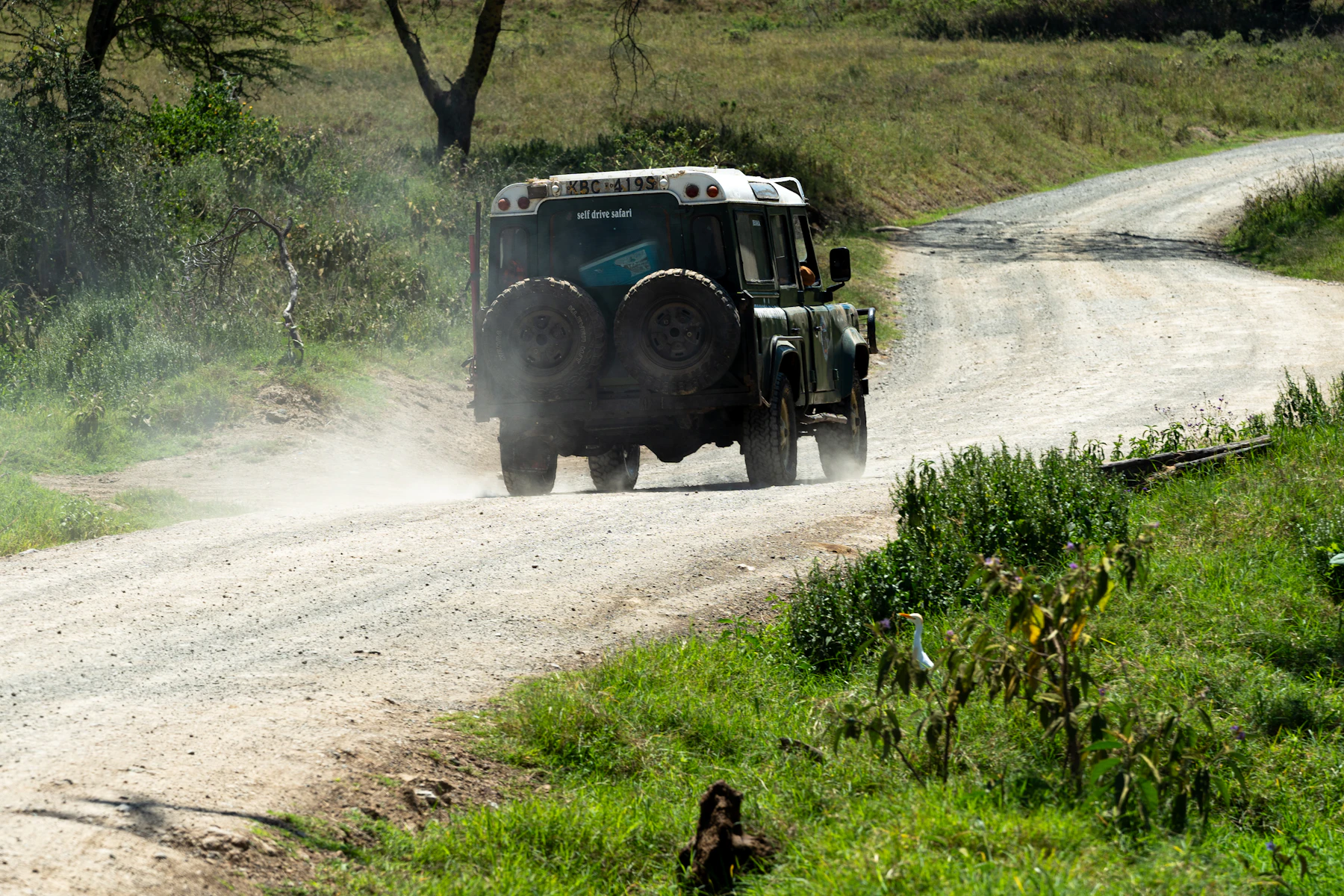
Choose a Kenya group safari operator by verifying its current Tourism Regulatory Authority licence, matching the business and payment names, and comparing written details for the same route, hotels, rooms, vehicle, park fees, group size and cancellation terms.
A polished website is useful, but it cannot tell you whether the quoted room category is actually held or whether eight adults will share one vehicle. A responsible operator should welcome precise questions and answer them in writing. This guide shows what to ask, how to compare proposals fairly and where an unusually low total may be hiding a different safari.
What to check before choosing an operator
- Licence, business identity and payments
- Route and realistic travel times
- Named hotels and room categories
- Vehicle and guide allocation
- Park fees and inclusions
- Deposits, cancellations and minimum numbers
- How to read independent reviews
- A fair quote comparison
- Questions to ask before paying
- Frequently asked questions
Confirm the legal operator and the account receiving your money
Kenyan tour and safari operators fall within Tourism Regulatory Authority licensing. The TRA provides an official online verification service, while its Class C requirements describe the documentation expected from tour and safari operators. Search the business name in the TRA verification system and ask the company to explain any difference between its trading name, registered name and licence name.
Then compare that identity with the proposal, invoice, email domain and payment instructions. A legitimate trading name can differ from a registered company name, but the operator should explain the relationship clearly. Be cautious if the beneficiary changes at the last minute, if the only payment option is an unrelated personal account, or if someone pressures the group to send money before answering basic questions.
A sensible identity check
- Current TRA record or licence information
- Registered or licensed business name
- Physical and working contact details
- Invoice carrying the same accountable identity
- Written explanation of the payment beneficiary
- Receipt and booking reference after payment
Licensing is an important starting point, not a substitute for examining the trip. One traveller discussing Kenya operator problems described facing “one operational lapse after another” even after doing preliminary checks. That experience is a reminder to verify both the business and the arrangements it promises.
A route can look generous while leaving little time for safari
Count nights, not destination names. “Masai Mara, Lake Naivasha, Lake Nakuru and Amboseli” sounds impressive, but the experience changes completely depending on how many nights are allocated and whether arrival and departure days are treated as full game-viewing days. Ask for approximate departure and arrival windows, the planned entry gates and the game drives expected on transfer days.
Long road sectors affect children, older travellers and anyone with limited mobility. They also reduce the group’s flexibility when a flight is late. A credible itinerary allows time for comfort stops, meals, gate procedures and ordinary road variation. It should not promise an exact wildlife sighting or describe every afternoon as a “full game drive” when most of it is a transfer.
Use the 10-day Kenya group safari as one example of how a longer route can create breathing room. For a shorter, fixed social departure, compare the structure of group joining safaris in Kenya. If your dates and stops must remain under your control, a private group safari is usually the clearer comparison.
Ask for the property, room category and occupancy
“Luxury lodge” is too broad for a group decision. Request the property name or clearly stated alternative, meal basis, room category and proposed occupancy. A twin room is not automatically the same as a double; a family unit may have two separate bedrooms or one shared sleeping area; and a triple may be a standard room with an added bed.
The group leader should prepare a rooming list showing couples, twin shares, solo rooms, children and accessibility needs. Ask whether each named property has been confirmed, provisionally held or offered only as an example. If the hotel is central to the decision, contacting it independently to confirm a reservation can add reassurance once the booking has been made.
Room details to put in writing
- Exact lodge or camp and acceptable alternative
- Double, twin, single, triple or family configuration
- Number and type of beds
- Meal plan and included drinks
- Child sharing policy and age basis
- Single-room supplement
- Accessible or ground-level requirements
Our detailed guide to Kenya group safari rooming and single supplements explains why the cheapest per-person figure is often based on two adults sharing and what solo travellers should ask before joining.
Confirm seats, luggage and guide allocation
Do not stop at “4×4 safari vehicle.” Ask whether the proposal uses a Land Cruiser or tour van, the passenger-seat layout, window access, roof style and normal luggage allowance. Then ask how many guests will be placed in each vehicle. A price for one packed vehicle is not the same product as a price for two less crowded vehicles.
Groups should also know whether the same professional guide-driver stays with them, whether a separate guide is provided in each vehicle, and how vehicles communicate when the group splits. A corporate team may deliberately use two vehicles to allow different activity choices. A family may reserve an extra seat so a child is not squeezed between adults. Photographers often need greater freedom to change position.
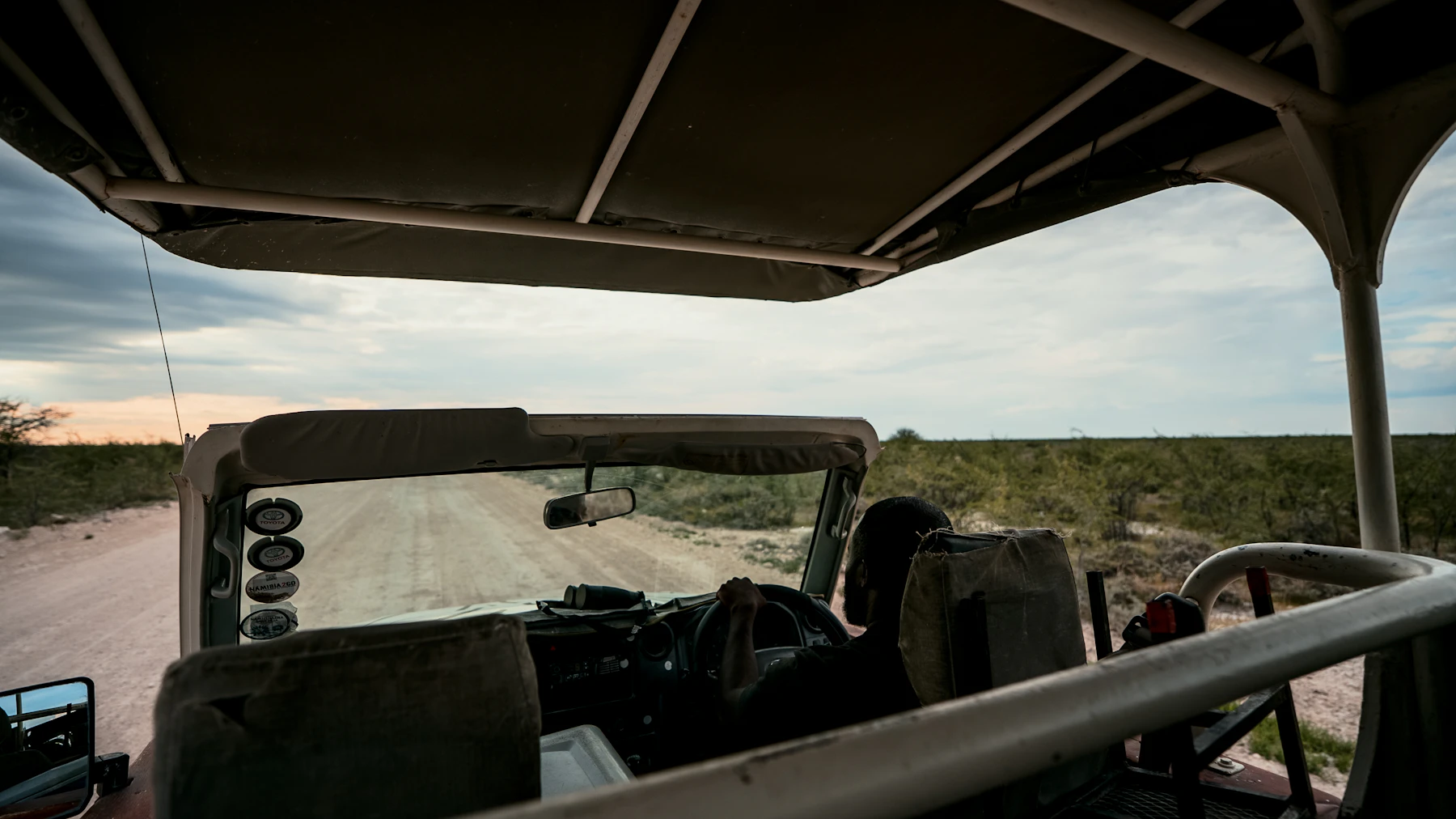
Read our Kenya group safari vehicle seating guide before accepting a passenger count. It explains how seats, windows, camera equipment and soft luggage affect a real game drive.
Check park fees, taxes and what remains payable
Conservation fees can be a substantial part of a Kenya safari and may differ by park, residency category, age and season. Ask whether the quote uses the correct traveller category and current travel dates. If fees may change before travel, the contract should explain who carries that difference.
A written inclusion list should address accommodation, stated meals, road transport, airport transfers, game drives, guide services, park or reserve fees and applicable taxes. The exclusion list should address international flights, visas or eTA, travel insurance, vaccinations, tips, optional visits, drinks outside the meal plan, laundry and personal spending.
A low proposal may exclude a Masai Mara conservation fee, use a different property, remove an airport transfer or assume more passengers per vehicle. None of those choices is automatically wrong. The problem is when they are not visible. Never compare only the last line of two quotations.
Deposits, cancellations and minimum group numbers
Private existing group
Your named party normally books the arrangement together. The proposal should explain deposit deadlines, final payment, changes in passenger numbers, room releases, name substitutions and the effect of one traveller cancelling.
Open group departure
Ask whether the departure has a minimum number, when it becomes guaranteed, what happens if it does not operate, whether the route can be combined with other travellers and how roommate matching works.
Cancellation terms should identify what is refundable, the timeline used and whether unrecoverable supplier charges apply. Ask how a postponed flight, road interruption, park closure or lodge substitution would be handled. Buy suitable travel insurance promptly after making commitments, subject to the insurer’s terms and your personal circumstances.
For organisations, approval and procurement can require a separate schedule. Our corporate group safari and retreat guide covers invoices, meeting space, equipment, duty of care and the difference between working sessions and leisure days.
Look for recent patterns and specific operational detail
Read reviews across more than one independent platform. Give more weight to recent accounts that name a route, month, guide, vehicle or problem resolution than to generic praise. A believable profile can contain occasional criticism; what matters is the pattern and how the company responds.
Watch for a sudden cluster of vague reviews, copied wording or stories that never mention an actual safari detail. Search both the trading and registered business names. If a reviewer reports a problem, consider whether it concerned the operator, a lodge, an airline or an unrealistic expectation. One post should prompt a question, not automatically decide the case.
A traveller describing a high-value Africa booking said, “I contacted the hotels and they told me they have bookings under my name.” That is a practical additional check after booking, particularly when a named property and large deposit are involved.
A Kenya travel forum contributor also pointed travellers to the official TRA website when checking legitimacy. That advice is sound, provided you still check the proposed itinerary, account name and booking documents.
A fair Kenya safari quote comparison
| Item | Proposal A | Proposal B | Question if different |
|---|---|---|---|
| Dates and route | List each night | List each night | Are transfer days being counted as game-drive days? |
| Hotels | Name and room category | Name and room category | Is either property only an example? |
| Occupancy | Doubles, twins, singles | Doubles, twins, singles | Are single supplements and children calculated equally? |
| Vehicle | Type and guests per vehicle | Type and guests per vehicle | Does the lower total use more passengers in one vehicle? |
| Park fees | Included and dated | Included and dated | Are residency and seasonal rates correct? |
| Transfers | Airports and timing | Airports and timing | Are late arrivals or separate flights covered? |
| Terms | Deposit, balance, cancellation | Deposit, balance, cancellation | Which supplier charges become non-refundable? |
Once the table is complete, the group can decide whether a difference represents better value, a different comfort level or simply a missing line. The goal is not to force every operator to quote the same safari, but to understand what each total actually buys.
Questions to ask before paying a safari deposit
- What is your current TRA licence name and number?
- Which business will invoice us and receive payment?
- Is the departure private or open to other travellers?
- What is the minimum number and when is it guaranteed?
- Which hotel and room category is held each night?
- What happens if the named property is unavailable?
- Which vehicle and how many guests per vehicle?
- Are all park fees and taxes included for our dates?
- Which meals, transfers and optional activities are excluded?
- What are the deposit and cancellation dates?
- How are itinerary interruptions handled?
- When will we receive guide and emergency contacts?
Keep the final proposal, invoice, payment receipt and important correspondence together. Share operational details with the group, but do not circulate passport copies or sensitive medical information more widely than necessary.
If this is your first planning conversation, begin with the Group Safaris in Kenya guide. It explains the main formats and gives your party a common vocabulary before comparing routes.
Choosing a Kenya group safari operator
How do I verify a Kenya safari operator?
Search the current Tourism Regulatory Authority verification system and compare the licensed identity with the proposal, invoice and payment beneficiary. Ask the company to explain any trading-name difference.
Does a TRA licence guarantee a perfect safari?
No. Licensing is an essential verification step, but you must still assess the itinerary, bookings, vehicle, guide plan, payment terms and recent operational record.
Should I always choose the cheapest safari quotation?
No. First compare the same hotels, rooms, vehicle occupancy, park fees, meals, transfers and terms. A lower figure may describe a different safari.
How many quotations should our group request?
Two or three detailed quotations are normally enough to reveal meaningful differences without overwhelming the group. Send every operator the same brief.
Can I ask a lodge to confirm our booking?
Yes, after booking you can ask whether a reservation is held under your group or operator, although supplier privacy and contracting policies may limit the information shared.
What should a safari invoice contain?
It should identify the accountable business and customer, booking or proposal reference, amount, currency, payment schedule and the service to which payment relates.
Is paying a deposit normal?
Yes. Operators often need deposits to secure rooms and other services. Read the written cancellation schedule and understand which supplier costs become non-refundable.
Should we pay into a personal account?
Ask for a clear written explanation whenever the beneficiary does not match the invoicing or licensed identity. Do not pay while an unexplained mismatch remains.
What if two proposals name different hotels?
Compare location, room category, meal plan and confirmed status. Request the cost and terms for a common hotel if the group wants a direct comparison.
Why does passenger allocation matter?
The number of guests in each vehicle affects window access, luggage, comfort, photography and the total price. It should be stated before booking.
What is a guaranteed departure?
It is an open departure that has met the operator’s conditions to operate. Ask what “guaranteed” covers and whether significant changes are still permitted under the terms.
Are online reviews enough to choose an operator?
No. Use recent, detailed reviews to form questions, then verify licensing, business identity, bookings and written trip terms directly.
Sources worth opening yourself
Post photography: Daniel Mainye and NIR HIMI on Unsplash.
Tell us what your group needs
Include dates, party size, rooming, departure point, interests and budget range. NLS will use these details to prepare a relevant written proposal.